
Table of Contents
- What this article covers
- 1. Start with realistic capital and percentage thinking
- 2. Expect to lose money while you learn
- 3. Trade when volatility gives you an edge — trade the U
- 4. Trading is a business, not a thrill ride
- 5. Define an edge and write the plan
- 6. Know whether your problem is under-control or over-control
- 7. Prepare so you make fewer decisions during the session
- 8. News is often baked into price — read the charts, not headlines
- 9. Learn investing from the inside out
- 10. Patience is the deciding advantage
- Applying these lessons to crypto trading
- Practical checklist to use immediately
- Do hedge funds use technical analysis?
- FAQ
What this article covers
- Why capital and expectations matter
- The learning curve and psychological traps
- When volatility favors short-term trades
- How to define and execute an edge
- Practical rules you can apply tomorrow
1. Start with realistic capital and percentage thinking
Most traders underestimate how much capital they need and overestimate the returns they can sustainably produce. Hopes of turning pocket change into luxury cars overnight are not a plan. Focus on percentage returns instead of absolute dollars. Ten percent on a tiny account still represents meaningful progress as a skill metric, even if it does not buy a Lamborghini.
Takeaway: Set realistic income expectations, scale position size to capital, and treat consistent percentage gains as the real victory.
2. Expect to lose money while you learn
Trading competes against experienced, highly capable participants. Early losses are not a sign that you cannot succeed; they are part of the learning curve. Humility, discipline, and patience matter more than flashy strategies.
Takeaway: Use paper trading to build process discipline. Limit real-money risk until you’ve demonstrated repeatable edge and execution.
3. Trade when volatility gives you an edge — trade the U
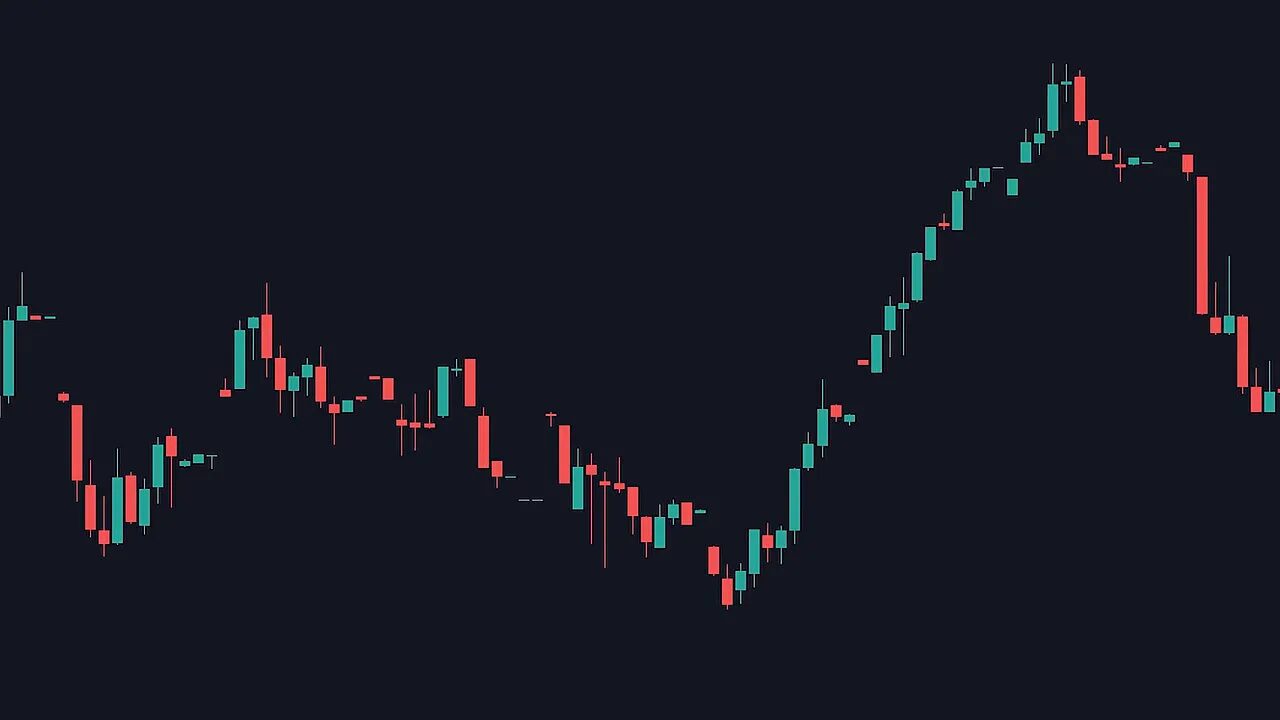
Market activity during a normal trading day is U-shaped: high volatility at open, low mid-day, higher at close. For short-term strategies that need movement, the openings and closings are the sweet spots.
“Trade these parts of the U, not this part.”
Takeaway: Align intraday entries with market structure. Avoid mid-day choppiness unless your edge is specifically designed for low-volatility environments.

4. Trading is a business, not a thrill ride
Some traders chase excitement rather than an edge. Trading addiction looks a lot like impulsive overtrading; it destroys long-term returns. The profitable approach is waiting for high-probability setups and sizing appropriately.
Takeaway: Build rules that remove emotion — fixed unit sizes, clear stop-loss, and documented trade reasons.

5. Define an edge and write the plan
An edge is simply a repeatable higher probability of one outcome versus another. Once identified, translate it into a detailed plan: entry rules, position sizing, stop placement, and profit targets. Then work on executing that plan without fear or hesitation.
“You’re going to have to acquire a trading methodology that gives you an edge.”
Takeaway: Backtest or demo your edge, document a strict checklist, and practice execution until it becomes automatic.

6. Know whether your problem is under-control or over-control
Most performance problems come from two poles. Under-control shows up as impulsive, oversized trades and ignored stops. Over-control shows up as paralysis — failing to take trades when your system signals. The market magnifies your character. Recognize which side you fall on and build rules to compensate.
Takeaway: If impulsive, automate discipline with pre-set sizes and hard stops. If anxious, rehearse entries and start with micro positions to build confidence.

7. Prepare so you make fewer decisions during the session
Decision fatigue is a hidden killer. Predefine unit sizes, daily watchlists, and acceptable trade types. The less you decide in real time, the less chance emotion can hijack a good plan.
Takeaway: Create a pre-market checklist: unit size, risk per trade, market bias, and unacceptable scenarios. Then follow it.

8. News is often baked into price — read the charts, not headlines
Market prices already reflect a vast number of opinions. Public commentary tends to present one angle and often arrives after the move. Charts tell what has already happened and what the market participants have decided.
Takeaway: Use news to contextualize major events, but rely on price action and your strategy rules for entries and exits.
9. Learn investing from the inside out
To judge businesses effectively, work in or with companies so you understand how they operate, make payroll, and compete. That practical knowledge sharpens your ability to distinguish great businesses from poor ones.
Takeaway: For fundamental investors, hands-on experience in startups or operating companies is invaluable training.
10. Patience is the deciding advantage
Investing is a game with no called strikes. You do not have to take every opportunity. Wait for the pitch that fits your criteria and only swing when everything lines up. This ability to wait is one of the most powerful asymmetries a trader or investor can have.
“The most important thing in hitting is waiting for the right pitch.”
Takeaway: Make patience a rule. If a setup does not meet your checklist, accept the missed trade — the market offers more pitches.

Applying these lessons to crypto trading
Crypto markets are famously volatile and run 24/7. That creates opportunities and traps. Apply the same core disciplines: define an edge, size positions to account for higher volatility, and keep a pre-session checklist for when you do analyze on-chain data or cross-chain flows.
If you want help spotting statistically backed entry points across blockchains, consider cryptocurrency trading signals as a complement to your process. Signals can highlight momentum shifts, liquidity events, or on-chain anomalies so you can decide whether the pitch fits your criteria. Use them as a tool — not a substitute for risk management and your edge.
Practical checklist to use immediately
- Capital check: Determine how much risk you can afford and set realistic return targets.
- Edge definition: Write one-sentence description of your edge and the conditions that must be true.
- Unit sizing: Fix unit size pre-market and never increase it impulsively.
- Entry checklist: Trigger, confirmation, stop, target, and maximum acceptable slippage.
- End-of-day habit: Log trades and psychological notes. Review patterns weekly.
Do hedge funds use technical analysis?
Many professional shops combine techniques. Quant funds rely on statistical edges. Macro and fundamental funds use price structure to refine timing. Technical analysis can be one input among many, but it is the disciplined process and risk management that make it useful.
FAQ
How can I avoid becoming an impulsive trader?
Set strict unit sizes and fixed stop-loss levels before entering the market. Use automation where possible and limit the number of trades per day. Regularly review your trading log to spot patterns of impulsivity and correct them with process changes.
When is the best time to day trade?
Intraday volatility tends to cluster at market open and market close. Those sessions provide larger moves for breakout and trend strategies. Mid-day periods are often less volatile and better suited for mean-reversion or reduced-risk approaches.
What is an edge and how do I find one?
An edge is a repeatable higher probability outcome. Find one by studying price patterns, timeframes, or specific market behaviors that consistently lead to favorable risk/reward. Backtest or demo the rules, then codify them into a strict plan.
Should I read the news before trading?
Use major news for context on structural events, but do not let headlines drive intraday execution. Price action already reflects collective information. Rely on your strategy rules for trade decisions.
Can cryptocurrency trading signals help my crypto strategy?
Signals can highlight opportunities across chains and point out momentum, liquidity shifts, and on-chain metrics that may be hard to monitor manually. Use them as an input to your checklist, but always apply your own risk management and position sizing rules.