

Table of Contents
- Overview: A synchronized cash wave and why markets care
- How big could the refund wave be?
- Who actually gets the money and what do they do with it?
- Why crypto is part of the conversation
- Historical context: Stimulus checks vs tax refunds
- Direct evidence: Did stimulus actually boost crypto?
- Why the marginal buyer matters more than the median
- Possible scenarios
- Where crypto signals and trade preparation fit in
- Practical trader checklist for refund season
- How likely is a large crypto pump?
- Final thoughts
- FAQ
Overview: A synchronized cash wave and why markets care
Tax refunds are landing in US bank accounts and this season looks different. A recent tax law shift has created what many are calling a concentrated liquidity event: larger-than-normal refunds compressed into a short timeframe. That matters because markets react to the marginal dollar. Even if most households use refunds for rent, bills, or debt, a small, synchronized cohort putting funds into risk assets can move prices—especially in crypto, where liquidity is thinner and flows can create outsized moves.
How big could the refund wave be?
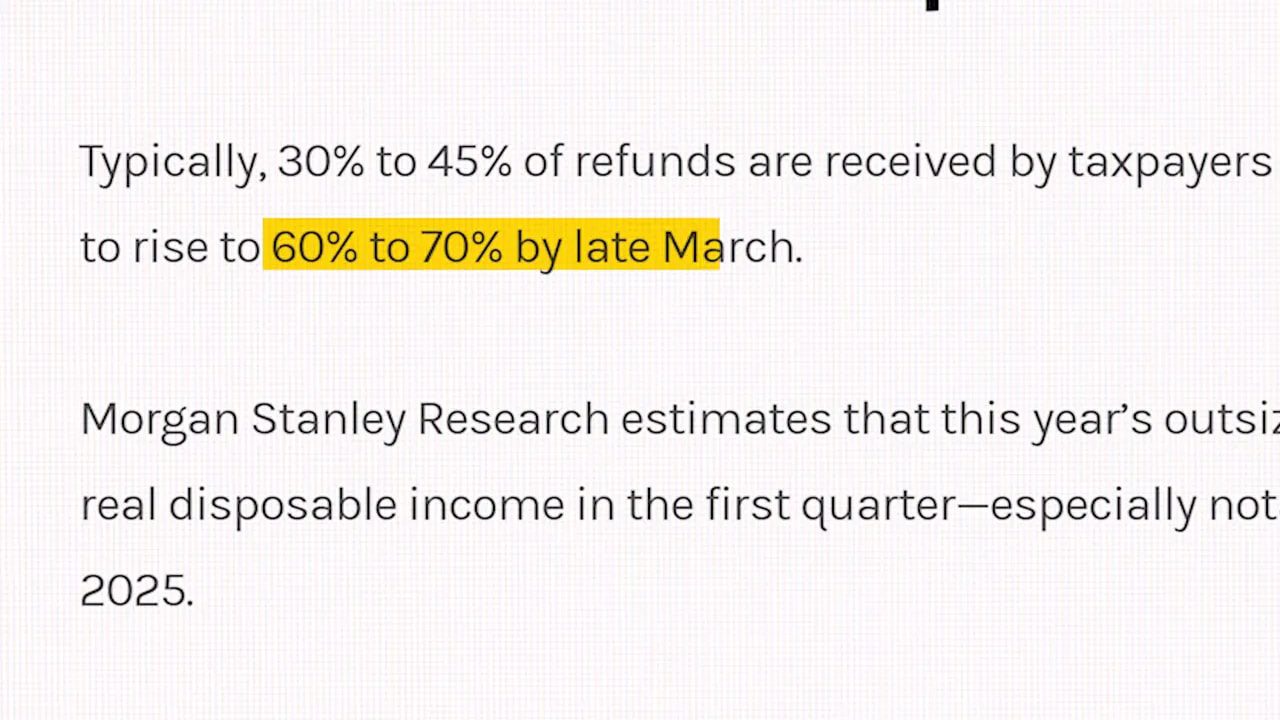
Official statements and market analysis put the potential size in a wide range. Treasury commentary estimates roughly $100 billion to $150 billion of refunds arriving in the first quarter. Many analysts peg the average refund around $4,000. Morgan Stanley research suggests roughly 60 to 70 percent of refunds are received by late March, meaning the second half of March is where the cash impact is most concentrated.

Who actually gets the money and what do they do with it?
The headline numbers are big, but headlines hide distribution. Not everyone receives a refund, and those who do often have pre-allocated uses. Surveys paint a stretched consumer:
- One Bank of America survey found ~32 percent of respondents expect no refund.
- Of those expecting refunds, about 36 percent plan to pay down debt, 13 percent will save, and 10 percent will use it for major purchases or day-to-day expenses.
- A TurboTax survey reported 70 percent plan to use refunds for living expenses, with 21 percent earmarking refunds to pay down high-interest debt and 91 percent wanting the refund as fast as possible.
Household debt is high. The New York Fed reported total household debt at about $18.88 trillion, with credit card and student loan stress rising. For many families refunds are lifelines, not discretionary windfalls.
Why crypto is part of the conversation
Markets are driven by the marginal buyer. If a small, time-concentrated slice of that refund pool is directed into risk assets, charts will show it. Crypto remains particularly sensitive because of lower liquidity and large retail participation in certain segments. Consider basic back-of-envelope math:
- If the maximum estimate of $150 billion produces 5 percent that flows into exchanges and brokerages, that’s $7.5 billion hitting markets.
- If a third of that $7.5 billion goes into crypto, you get about $2.5 billion of direct demand.
- Even a conservative 1 percent crypto allocation across the whole pool would still represent roughly $1.5 billion of demand.
On-ramps are easier now than in earlier cycles. Buying Bitcoin or crypto ETFs from the same app you use for stocks is a frictionless experience and could increase the share of refunds finding their way into crypto exposure.

Historical context: Stimulus checks vs tax refunds
The first instinct is to compare this to the 2020–2021 stimulus era. That memory is powerful: cash drops, risk-on sentiment, and an unforgettable run. Correlation is tempting, but causation is more complicated.
New York Fed surveys during the initial stimulus rounds showed households split their funds between spending, saving, and debt repayment. For the first round households reported using about 29 percent on spending, 36 percent on saving, and 35 percent on debt. Later rounds were similar: spending fell to roughly 25 percent while savings rose in subsequent waves. That pattern suggests the median household used most of the money conservatively.
So why did markets explode? Two critical factors converged:
- Macro backdrop: The idea that policy would aggressively backstop the economy gave traders confidence and a path for reflexive risk-taking.
- Marginal buyers and platform incentives: Even small, coordinated retail buying can dominate flows. Brokerage and exchange incentives—cash rewards, marketing—pushed some new depositors into trading. Studies link stimulus to the meme stock surge and increased retail activity, even if it represented a small fraction of total dollars.

Direct evidence: Did stimulus actually boost crypto?
Research from the Federal Reserve Bank of Cleveland offers a forensic look. Economists searched for spikes in Bitcoin buy orders that matched stimulus check amounts and found a statistically significant cluster of buys sized around $1,200 immediately after the first checks. The effect was strongest on exchanges frequented by smaller retail traders, and the spike did not appear on the sell side—suggesting new demand rather than redistribution.
The Cleveland Fed estimated stimulus increased BTC trading volume by about 3.8 percent in their analysis window. Price impact estimates were modest (around 7 basis points), and the detected BTC purchases likely represented only about 0.02 percent of total stimulus dollars. In short: measurable but a small slice of the total cash.
Why the marginal buyer matters more than the median
Even when the median household uses refunds to cover costs, the market pays attention to the marginal buyer—the person or group that decides to buy crypto with newfound cash. A small, synchronized cohort can create momentum. Add leverage, derivatives, and liquidations to the equation and price action can amplify rapidly. Narratives can then feed themselves: expectations of a “refund pump” attract front-runners, which creates the very pump that was anticipated.
Possible scenarios
1. Bullish: Synchronized retail and ETF flows
The most straightforward bullish scenario is synchronized retail buying. If many pockets of refund-funded buyers decide the time is right—either for spot coins on exchanges or for spot Bitcoin ETFs in their brokerage apps—prices can move quickly. ETF inflows matter because market makers will need to source coins, supporting spot liquidity even if most purchases are routed through brokerages instead of exchanges.
2. Bullish via narrative and leverage
A second bullish path is narrative-driven. If traders widely expect refunds to pump crypto, they attempt to front-run it. That action can trigger leveraged long positions, short squeezes, and a reflexive rally whose momentum outpaces the initial cash input. Crypto funds are already capable of reversing outflows rapidly—recent weeks have shown billion-dollar inflows can happen quickly when sentiment shifts.
3. Bearish: Debt, tax bills, and macro shocks
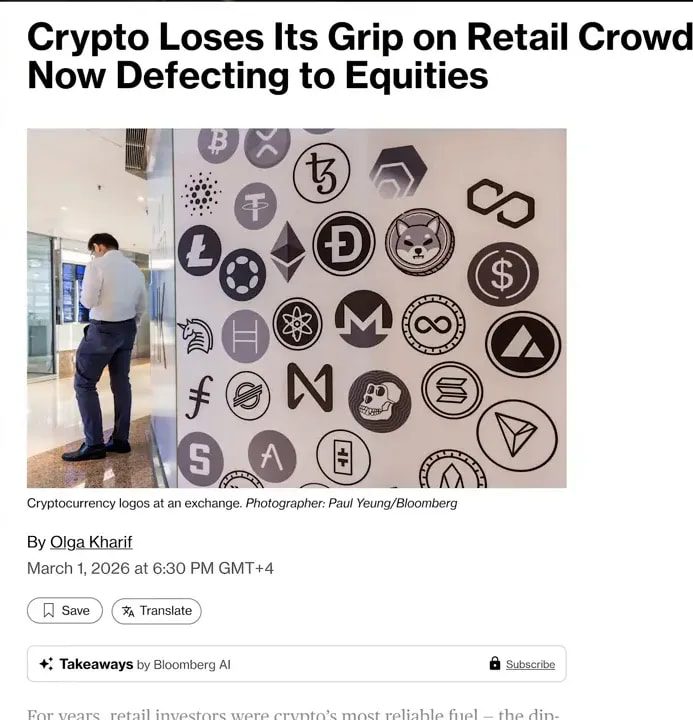
There are credible bearish outcomes. Many taxpayers will owe money instead of receiving refunds; April tends to be a time when people sell assets to meet tax obligations. Rising geopolitical risks, such as new conflicts that push up energy prices, can increase inflation pressure and hurt risk assets. Finally, retail’s appetite for crypto is not what it once was—platforms have reported slowing consumer transaction revenue—so the same-sized cash drop today may translate into less speculative buying than during the stimulus era.
Where crypto signals and trade preparation fit in
If you trade or plan to trade around these windows, a disciplined approach matters. Flow-driven moves can be sharp and short-lived. A good rule set includes position sizing, stop levels, and a clear plan for entries and exits. This is where curated market intelligence like crypto signals can add value: timely alerts that highlight trade setups, momentum shifts, or divergence between ETF flows and on-chain activity can help traders move more deliberately during condensed liquidity events.
Crypto signals should not be a substitute for risk management. Use them as an input: confirm signals with volume, on-chain metrics, and macro context. When refunds hit, watching ETF inflows and retail exchange order flow can give early clues about which direction momentum might take.
Practical trader checklist for refund season
- Define your time horizon: Are you a quick momentum trader or a longer-term holder? Short windows amplify volatility.
- Size positions to survive swings: The refund wave can create rapid reversals; protect capital with prudent sizing.
- Watch ETF and exchange flows: Large ETF inflows can require spot sourcing and thus prop up prices; sudden exchange deposits may precede selling.
- Monitor macro and geopolitical news: Rising oil or supply shocks can change risk appetite quickly.
- Use signals as a guide, not gospel: Real-time alerts help, but validate them against order book depth and on-chain activity.
How likely is a large crypto pump?
There is plausible upside and equally plausible downside. The refund wave provides a real influx of cash and, importantly, it is concentrated in time. That concentration is what gives it market-moving potential. However, much depends on where the marginal dollar goes. Surveys suggest a large share of households will use refunds to stabilize finances rather than speculate. Still, you only need a relatively small slice of that liquidity to chase risk-on positions to see notable price moves.
Historical evidence shows stimulus and cash drops can influence crypto trading volumes and sentiment, but those events were not the sole cause of the bull runs that followed. They were one amplifying factor amid accommodative policy, retail innovation, and platform incentives.
Final thoughts
The current tax season is a real event: potentially record-breaking in aggregate refunds and unusually compressed in timing. That makes it worth watching. For traders, the risk is two-fold: missing a fast move or getting caught in a sudden reversal. For investors, the question is whether short-term flow dynamics should affect long-term allocation decisions.
Whatever happens, treat this as a liquidity event to monitor rather than a guaranteed catalyst for a major bull run. Opportunities will present themselves, but so will risks. Smart positioning, disciplined risk management, and timely information—such as well-constructed crypto signals that align with your strategy—will make the difference between getting carried by a wave and getting washed out by it.
FAQ
How much money are we expecting in refunds this quarter?
Estimates vary, but official commentary suggests roughly $100 billion to $150 billion could be refunded in the first quarter. Average refund amounts discussed by analysts are near $4,000, with timing concentrated toward late March.
Will tax refunds definitely cause a crypto rally?
Not necessarily. Refunds create the potential for new demand, but the median household is more likely to use refunds for bills, savings, or debt repayment. A rally requires a synchronized marginal buyer or amplified narrative-driven trading. ETF inflows and retail buying in a short window could produce strong moves, but there are also counterforces like tax payments, inflationary shocks, and weaker retail enthusiasm.
What portion of refunds could realistically flow into crypto?
Rough calculations show even small allocations can matter. If $150 billion produced 5 percent that reaches brokers and exchanges ($7.5 billion), and if a third of that went to crypto, it would be about $2.5 billion of demand. Conservative estimates with a 1 percent crypto allocation still imply roughly $1.5 billion. Actual flows will depend on investor behavior and available on-ramps like ETFs.
How can traders prepare for this liquidity event?
Prepare with clear position sizing, stop-loss rules, and an entry/exit plan. Monitor ETF flows, exchange order books, on-chain metrics, and macro headlines. Tools like curated crypto signals can provide timely trade ideas and alerts, but should be used alongside risk-management discipline and independent verification.
Could geopolitical events derail any refund-driven momentum?
Absolutely. Geopolitical shocks that raise energy prices or disrupt supply chains can change investors’ risk appetite quickly and amplify inflation risks. Such shocks could reduce the portion of refunds that flow into risk assets and increase selling pressure across markets.