

Table of Contents
- Overview
- Required indicators and initial setup
- Entry rules — Long trades
- Entry rules — Short trades
- Why this works
- Practical improvements to raise win rate
- Suggested workflow for testing and journaling
- Real results from a 100-trade backtest
- Applying this strategy to crypto markets
- Risk management and position sizing
- Tools to speed up workflow
- Final notes
Overview
Here is a simple, systematic strategy built to capture strong trending moves while avoiding sideways chop. It uses three technical indicators to time entries and exits, pairs them with sensible stop placement, and emphasizes letting winners run instead of forcing fixed take profits. When tested over 100 trades, the basic rules produced a 60% win rate and a total profit of 279.58%.
Required indicators and initial setup
You’ll need a charting platform that supports custom indicators. The strategy combines these three tools:
- SSL Channel – used for the trend crossover signal.
- Chaikin Money Flow (CMF) – confirms money flow direction above or below zero.
- Volatility Oscillator – identifies strong momentum by checking whether the oscillator line is outside its bands.
Indicator tweaks that improve clarity:
- Change the SSL Channel periods from 10 to 20 so crossovers are less noisy.
- Color the SSL lines distinctively (for example, blue and yellow) to spot crosses quickly.
- Set the CMF to an area display and make the zero line solid for faster interpretation.
- Leave the volatility oscillator at default unless you want finer tuning.
Entry rules — Long trades
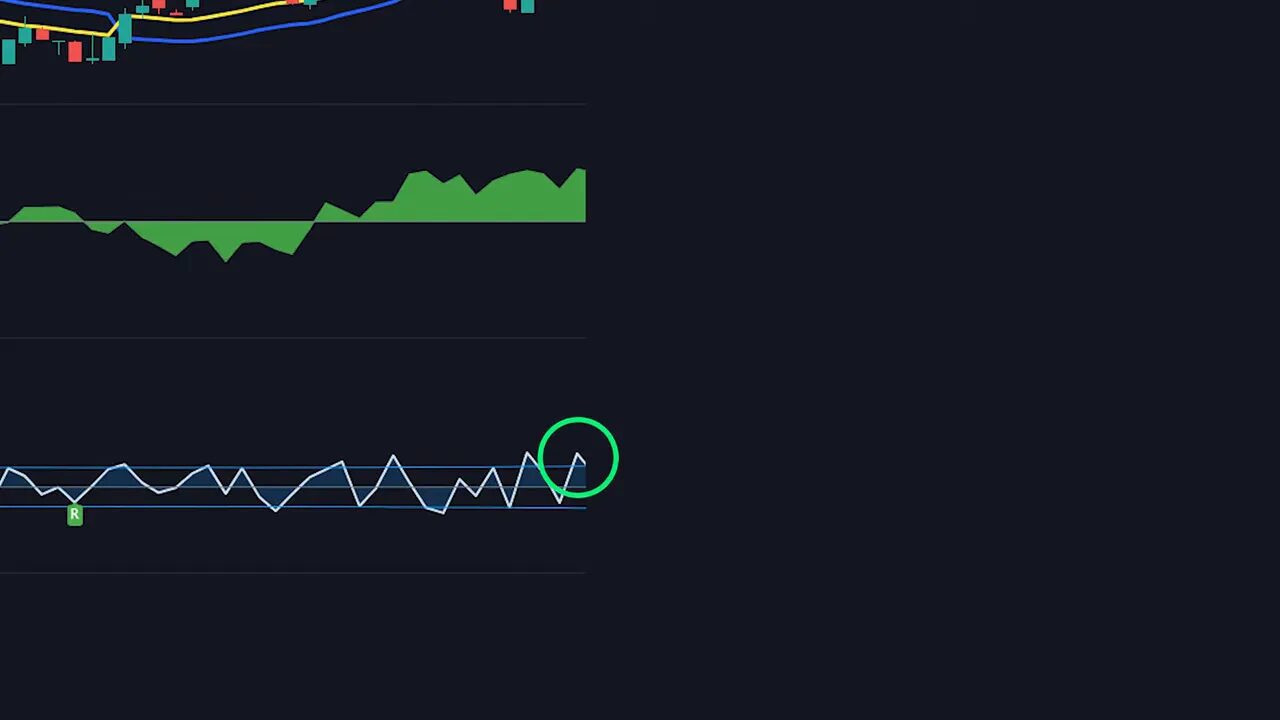
Enter a long only when all three of these conditions are true:
- SSL bullish cross: the yellow line crosses above the blue line.
- Chaikin Money Flow: the CMF is above the zero line, confirming buying pressure.
- Volatility confirmation: the oscillator’s white line is above the upper band, signaling a strong move.
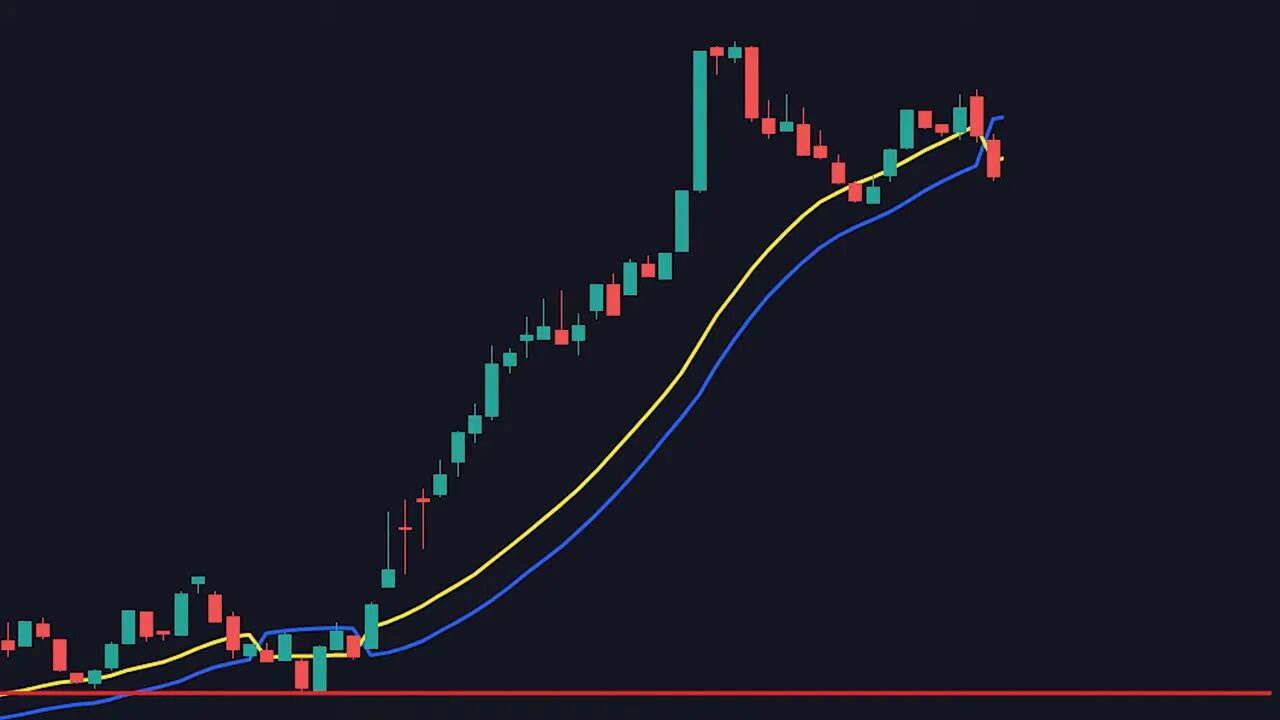
Place your stop loss at the most recent swing low. The exit is a dynamic one: let winners run and only exit when the SSL channel gives a bearish crossover (yellow crosses back below blue). This approach captures extended trends rather than chopping for tiny fixed gains.
Entry rules — Short trades
Short entries are the mirror image of the longs. Enter when:
- SSL bearish cross: the blue line crosses above the yellow line.
- Chaikin Money Flow: the CMF is below the zero line, confirming selling pressure.
- Volatility confirmation: the oscillator’s white line is below the lower band.
Set the stop loss at the most recent swing high and exit when the SSL channel flips bullish (blue crosses below yellow).
Why this works
The strategy filters for confirmed trend entries by combining a trend crossover, volume-based money flow confirmation, and volatility breakout. That combination keeps you out of sideways markets and increases the probability that a move has real conviction. The emphasis on exiting only after a trend flip allows the largest moves to be captured.
Practical improvements to raise win rate
Consider these optional filters to reduce false signals and improve risk-adjusted returns:
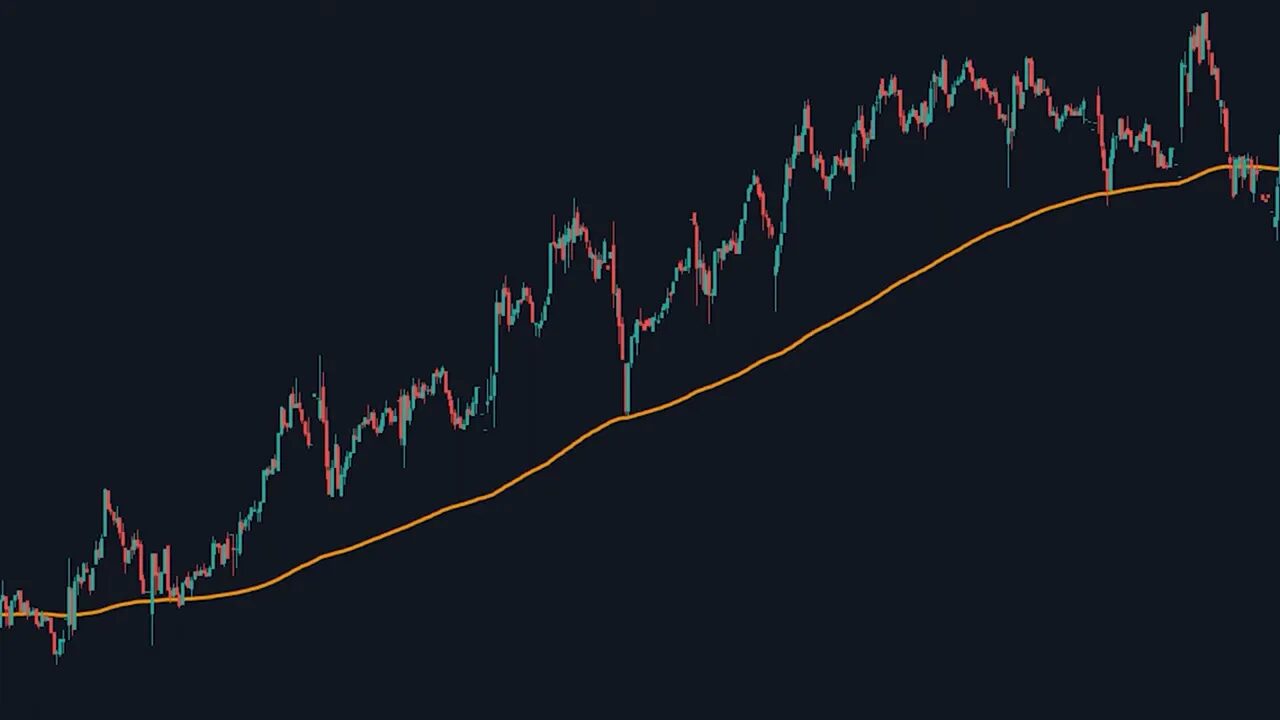
- 200 EMA trend filter: only take longs when price is above the 200 EMA and shorts when price is below. This simple rule aligns trades with the higher-timeframe trend and cuts losing trades in choppy conditions.
- Support and resistance: if a confirmed setup is forming into a key resistance, trim or scale out of the trade before a likely reversal. Selling 50% near severe resistance is a low-friction way to lock gains.
- Divergences and volume: use RSI or momentum divergence and volume spikes as additional confluence to avoid late entries.
- Trendlines and price structure: confirm the setup with higher-timeframe structure or a breakout above a consolidation range.
Suggested workflow for testing and journaling
Manual backtesting accelerates confidence before risking real capital. Use a tool that lets you step through signals, log wins and losses, and calculate P&L, win rate, and drawdowns. Start with a fixed stake (for example $1,000) and record each signal, stop placement, and exit reason. That archive becomes your trading edge and helps you spot which tweaks actually improve performance.
A trading journal paired with systematic backtesting makes the difference between anecdotal success and repeatable results.
Real results from a 100-trade backtest
Applying the baseline rules (without the optional filters) on 100 trades produced the following aggregated outcome:
- Total profit: 279.58%
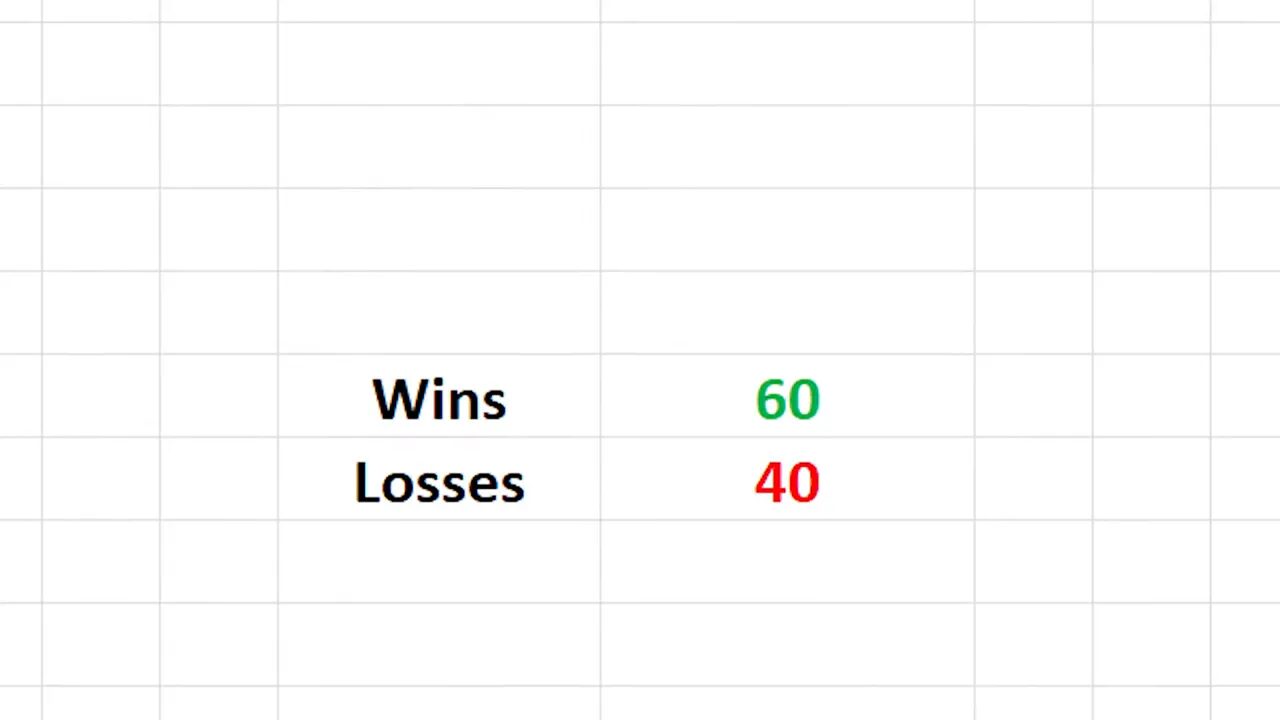
- Win rate: 60% (60 wins, 40 losses)
- Duration to collect 100 trades: approximately 2.5 months
That sample implies the potential to double an account within 30 days when scaled, though individual results will vary by market, timeframe, and risk sizing. Consistency, discipline, and risk management remain the keys to realizing those numbers in practice.
Applying this strategy to crypto markets
Crypto markets are famously volatile, which can make volatility confirmation especially useful. When trading across multiple blockchains, use the same indicator rules but pay attention to exchange-specific liquidity, token listings, and overnight funding or fees.
For traders who need help scanning the many opportunities in crypto, pairing this strategy with a reputable service for the best crypto trading signals can speed up setup discovery. Signals can highlight high-probability pairs across different chains, letting you focus on execution and risk management rather than the initial discovery process.
Risk management and position sizing
Never risk more than a small percentage of your account on a single trade. Define position size by distance to stop loss so that a trade that violates its stop only costs a disciplined, predefined amount.
- Use a percentage-based risk per trade (for example 1% of account equity).
- Adjust position size after each trade based on realized equity to compound gains responsibly.
- Scale out partial positions at logical levels of resistance or profit milestones.
Tools to speed up workflow
Charting platforms and manual backtesting sites let you validate new rules quickly. Look for tools with:
- Instant P&L and win rate calculation
- Trade logging and strategy libraries
- Flexible increment settings (dollars or percent)
Combine these with a trading journal to identify patterns in your wins and losses and to iteratively refine inputs.
What are the exact indicator settings used in this strategy?
SSL Channel periods are set to 20 (both lines), CMF inputs left at default but style changed to area with a solid zero line, and the Volatility Oscillator is used at default settings.
Which timeframe should I trade this on?
The strategy is timeframe flexible. Higher timeframes tend to produce fewer but more reliable signals. Test on the timeframe you plan to trade and adjust stop sizing accordingly.
How do I place stops and exits?
Place stops at the most recent swing low for longs and most recent swing high for shorts. Exit when the SSL channel gives the opposite crossover; this dynamic exit captures extended trending profit.
Will this double my account for sure?
Backtested results showed a 279.58% profit over 100 trades with a 60% win rate, implying strong return potential. However, past performance does not guarantee future results. Proper risk management, market selection, and discipline determine real outcomes.
Can this be used for crypto trading?
Yes. The volatility filter and CMF are well suited to crypto markets. Consider combining the setup with the best crypto trading signals to help identify top opportunities across different blockchains and avoid low-liquidity traps.
Final notes
This approach emphasizes clarity: define the rules, test them, and only trade setups that meet your checklist. Add optional filters like the 200 EMA and support and resistance to further reduce false signals. Keep a journal, backtest systematically, and scale the strategy gradually as your confidence and results improve.
Focus on high-probability setups, protect capital with clear stops, and let trends do the heavy lifting.