
Table of Contents
- Big-picture backdrop: geopolitics, AI, energy and the market pulse
- Why Bitcoin? The simple, repeatable case
- Milestones and market psychology
- Addressing the skeptics
- Ethereum’s bull case: programmability, TVL and institutional demand
- How to approach this market practically
- Market risks to watch
- Actionable checklist
- FAQ
- Final thoughts
Big-picture backdrop: geopolitics, AI, energy and the market pulse
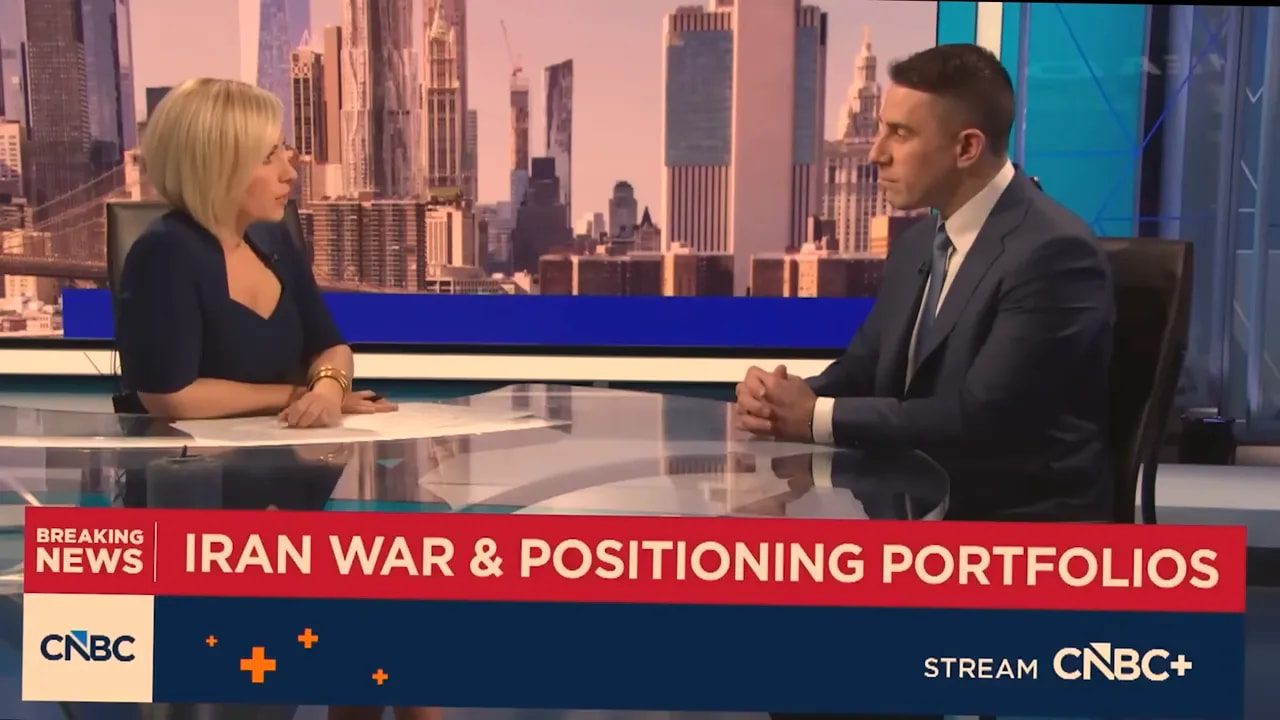
Right now the macro picture feels noisy: geopolitical tensions, a short-term spike in energy prices, fresh AI disruption headlines, cracks in private credit and a softer jobs report. That mix creates two things for crypto traders and investors: volatility and opportunity.
Volatility is the price you pay for outsized returns. The smart move is to separate noise from durable trends. Two durable trends stand out: the ongoing digital transformation of finance and institutional adoption of crypto-native infrastructure.
Why Bitcoin? The simple, repeatable case
Buy Bitcoin now is a headline that’s earned its place because of three structural advantages Bitcoin holds as a store of value:
- Scarcity: 21 million supply cap and the recent milestone of 20 million coins mined means the final supply is mathematically capped. That scarcity is the bedrock of Bitcoin’s narrative as digital gold.
- Portability & divisibility: Bitcoin can be split into satoshis and moved globally within minutes. That makes it more practical than gold for a digital economy.
- Rapid institutional adoption: The pace at which spot Bitcoin ETFs and institutional products have launched is unprecedented. What took gold years is happening for Bitcoin in a fraction of the time, compressing adoption cycles.
These advantages don’t remove short-term drawdowns. Bitcoin can and will be volatile. But volatility coexisting with structural adoption has been the pattern in prior cycles.
Milestones and market psychology
Two psychological shifts are worth noting. First, many of the traders who sold at the highs have already exited, meaning the pool of immediate sellers is smaller. Second, past narratives that kept institutional investors at bay are fading as onramps mature.
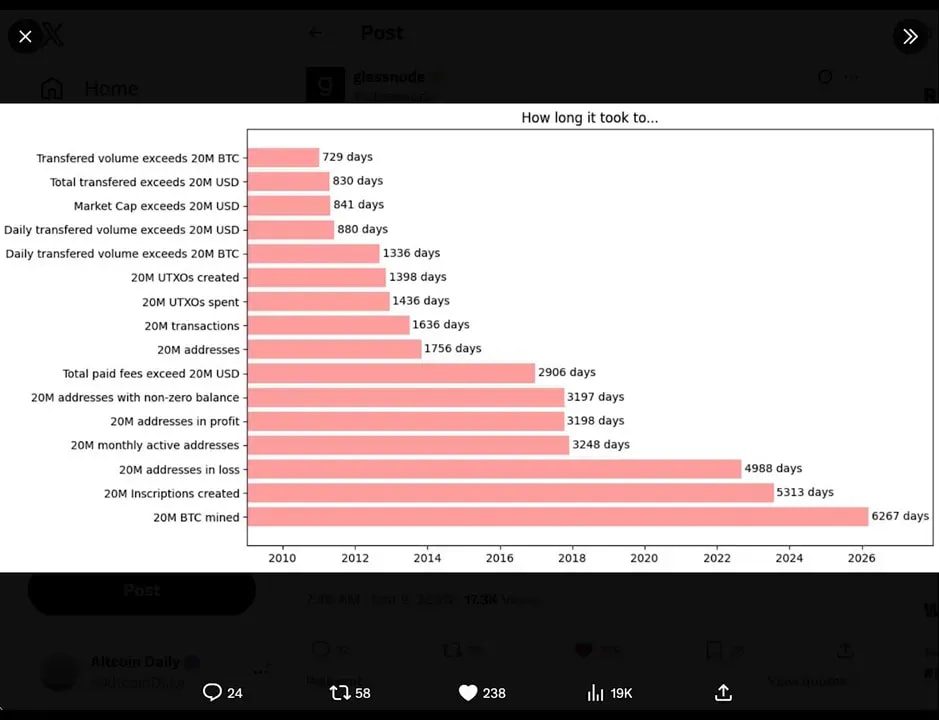
20 million mined is more than just a headline. It’s a tangible reminder of the supply story and of lost coins that make effective supply even scarcer.
Addressing the skeptics
Skepticism is healthy. Some argue Bitcoin is “based on fiat” or that it can be wiped out by centralized actors. Those concerns deserve examination, but they miss key realities: Bitcoin’s decentralization makes large-scale wipeouts extremely difficult, and its network has repeatedly proven resilient.
Markets also price expectations. Headlines about geopolitical easing or collapsing oil spikes can create momentary reversals, but the long-term adoption path for composable, programmable money is independent of daily noise.
Ethereum’s bull case: programmability, TVL and institutional demand
Ethereum is not just another coin. Its programmability makes it the primary platform for tokenization, stablecoins, real-world assets, and financial primitives that Wall Street is starting to touch.
Key reasons Ethereum can outperform:
- Network effects and credible neutrality: Large developer and project ecosystems create defensibility that’s hard to replicate.
- Institutional trust: Institutions value uptime and predictable consensus. Past outages on some alternative chains create counterparty risk that institutions are unwilling to accept when large pools of capital are tokenized.
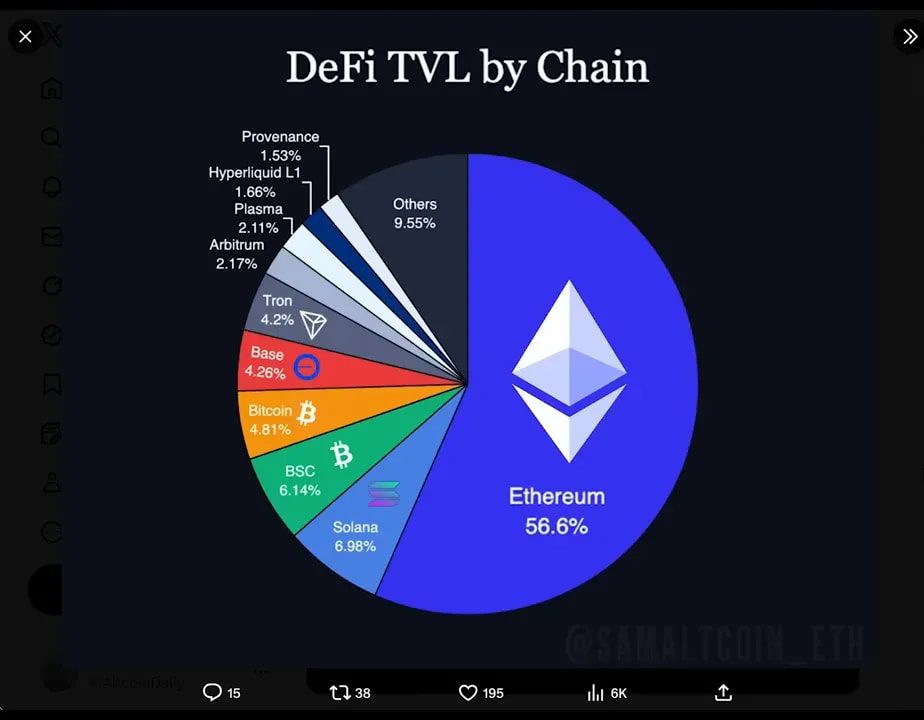
- Value accrual via TVL: As more value gets locked in DeFi, Ethereum accrues premium as security collateral for that financial layer. Higher TVL often correlates with higher market cap potential.
- Staking dynamics: Increased staking reduces circulating supply available for trading, adding a scarcity-like dynamic even without burning tokens.
Analyses that model Ethereum’s fair value often tie it to TVL multiples and security-premium frameworks. If mainstream finance tokenizes trillions of dollars in assets on-chain, Ether’s role as collateral and settlement fuel becomes far more valuable.
How to approach this market practically
Strategies that match the current environment:
- Dollar-cost averaging (DCA): Regular, disciplined buys smooth price volatility and reduce timing risk.
- Focus on core allocation: Make Bitcoin the core of a crypto allocation, with Ethereum as a complementary position for exposure to smart contract utility.
- Use data and signals: Volume, on-chain metrics, ETF flows, and TVL trends are actionable. If you need help turning signals into entries, cryptocurrency trading signals can provide curated buy and sell alerts aligned with market structure and risk management—use them to supplement your plan rather than replace judgement.
- Manage position sizing: Expect drawdowns. Size positions according to risk tolerance and time horizon.
Large allocators continue to buy into weakness. That steady accumulation can outpace selling, creating asymmetric upside for long-term holders.
If active trading is your focus, combine macro awareness with on-chain indicators and consider subscribing to cryptocurrency trading signals for timely alerts tailored to both Bitcoin and Ethereum setups. These signals can be particularly useful during fast-moving markets when decisive entries matter.
Market risks to watch
- Geopolitical shifts that materially alter liquidity or global capital flows.
- Regulatory developments that affect custody, ETFs or exchange operations.
- Technology outages or security failures on major chains.
- Macro shocks that cause synchronized risk-off moves across asset classes.
All of these can increase volatility and require nimble risk management.
Actionable checklist
- Decide core allocation between Bitcoin and Ethereum based on risk profile.
- Set a recurring DCA schedule for core holdings.
- Track TVL, staking rates, ETF flows and on-chain activity weekly.
- Use stop-loss levels or hedges if trading shorter timeframes.
- Consider using cryptocurrency trading signals for trade ideas and risk-defined entry/exit points.
FAQ
Is now really the best time to buy Bitcoin?
Timing markets perfectly is impossible. But structurally, Bitcoin’s scarcity, growing institutional onramps and compressed adoption cycles make dips good opportunities to accumulate via DCA. Treat buying as a long-term commitment rather than a market-timing sprint.
What makes Ethereum different from other smart contract chains?
Ethereum combines a massive developer ecosystem, network effects, credible neutrality and the largest share of DeFi TVL. Those elements make it the natural hub for tokenization and institutional-grade financial infrastructure, which adds a unique value accrual path.
How should I size my crypto positions?
Position sizing depends on risk tolerance, time horizon and liquidity needs. For most people, keeping crypto as a portion of a diversified portfolio—scaled to the amount you can tolerate seeing drop significantly in a downturn—is prudent. Use smaller sizes when trading and larger sizes for long-term accumulation with DCA.
Can trading signals help me take advantage of market moves?
Yes. Well-designed cryptocurrency trading signals can offer disciplined entry and exit ideas, risk management levels and confirmations from on-chain and off-chain indicators. Use signals alongside your own research and never treat them as a guarantee.
What are the main red flags to watch in this cycle?
Major red flags include systemic exchange failures, sudden regulatory clampdowns on custody or ETFs, prolonged network outages on major chains and sustained macro liquidity shocks. Monitor these and adjust exposure if they materialize.
Final thoughts
The narrative is shifting toward a digital future where programmable money and tokenized assets matter more than ever. Bitcoin’s scarcity and institutional adoption create a strong store-of-value case. Ethereum’s programmability primes it for a larger role in the tokenized financial system. Both present compelling, but different, value propositions.
Market noise will persist. Stay focused on structural trends, use disciplined strategies such as DCA, watch TVL and staking metrics, and consider tools like cryptocurrency trading signals to sharpen entries and manage risk.
Not financial advice.