

Table of Contents
- Why smart money concepts work
- Core idea in one sentence
- Trend structure: what to watch for
- Key areas of interest (what makes a setup strong)
- Execution: the three-step checklist
- Practical trade walkthrough
- Using order blocks instead of liquidity grabs
- Risk management and practical tips
- Quick rules summary
- Frequently asked questions
- Closing thoughts
Why smart money concepts work
Markets are structured, not random. The biggest players — banks, hedge funds, and institutional traders — move markets by creating imbalances and then exploiting them. The approach below strips trading down to those structural mechanics and gives a repeatable framework: find a strong area of interest, wait for a structural shift, then enter into the market’s natural rebalancing using imbalance zones as precision entries.
Core idea in one sentence
Combine a clear break of structure or change of character with a strong area of interest — a high-timeframe supply or demand level, a liquidity grab, or an order block — then enter on a fair value gap or price imbalance for high-probability trades.
Trend structure: what to watch for
Trends make higher highs and higher lows (uptrend) or lower highs and lower lows (downtrend). Every time price breaks a previous high or low, that is a break of structure. A true reversal requires price to break the prior swing low or high — that is the change of character.
Think of a change of character alone like a kite: it works. Combine it with a strong area of interest and it becomes an F-16 — much more powerful and reliable.
Key areas of interest (what makes a setup strong)
Not every structure break matters. The probability of a successful reversal increases dramatically when the break of structure happens near one of the following:
- High-timeframe supply or demand zones — zones where price has repeatedly rejected or found support.
- Liquidity grabs (false breakouts) — price briefly breaks a recent swing to hunt stops, then reverses hard.
- Order blocks — areas where institutional orders are likely concentrated; often precede strong reversals.
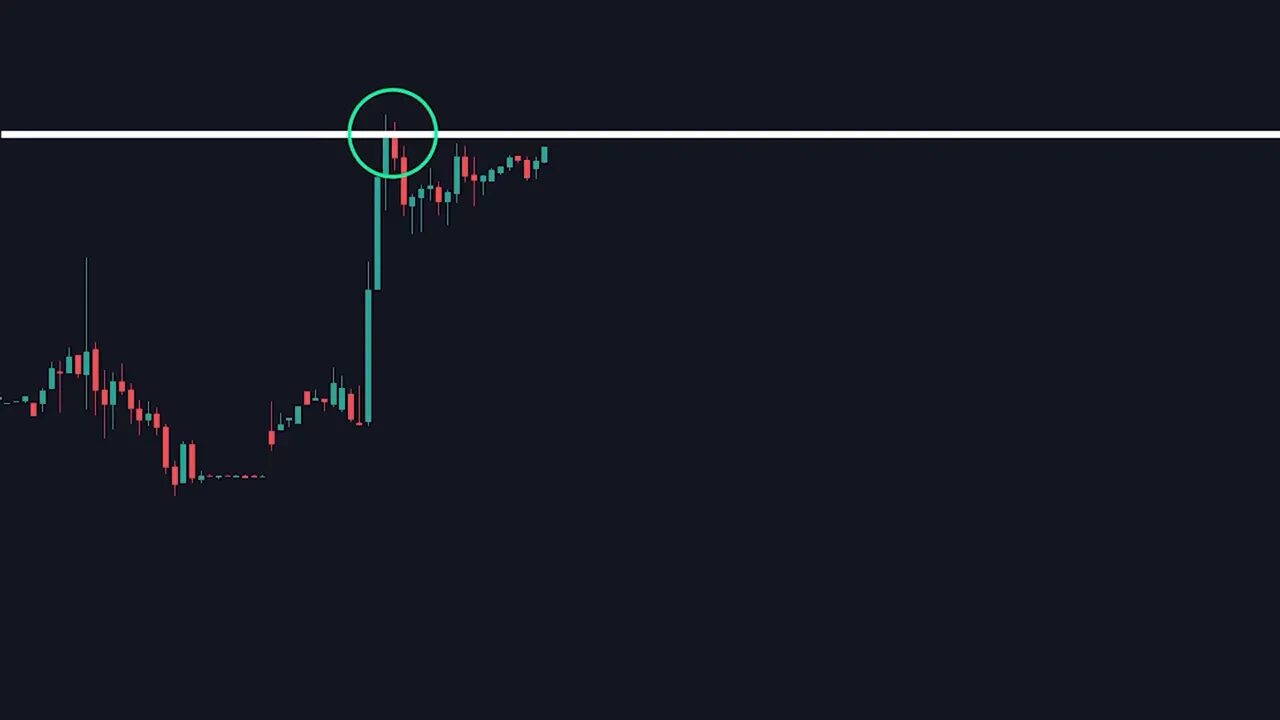
Liquidity grab explained
A liquidity grab is when price breaks a recent swing low or high to collect stop losses, then reverses. Retail traders who enter on the breakout place stops just beyond that swing. When those stops are hit, momentum accelerates and institutions get the liquidity they need to execute larger orders. Use that momentum against them by entering the reversal after you confirm the change of character.
Order blocks explained
An order block is a footprint of institutional buying or selling. Price often slows and respects these blocks rather than simply blasting through them with big-bodied candles. A respected order block is far more reliable than a zone that has been sliced through decisively.
Execution: the three-step checklist
Use this checklist every time before entering a trade:
- Find a strong area of interest on a higher timeframe (one hour or above is preferred).
- Wait for a liquidity grab or order block reaction and then confirm a change of character — price must break the prior swing low or high to signal a reversal.
- Enter on a fair value gap or price imbalance that formed during the aggressive move. Place stop loss beyond the high/low of the initiating move and target the opposite swing.
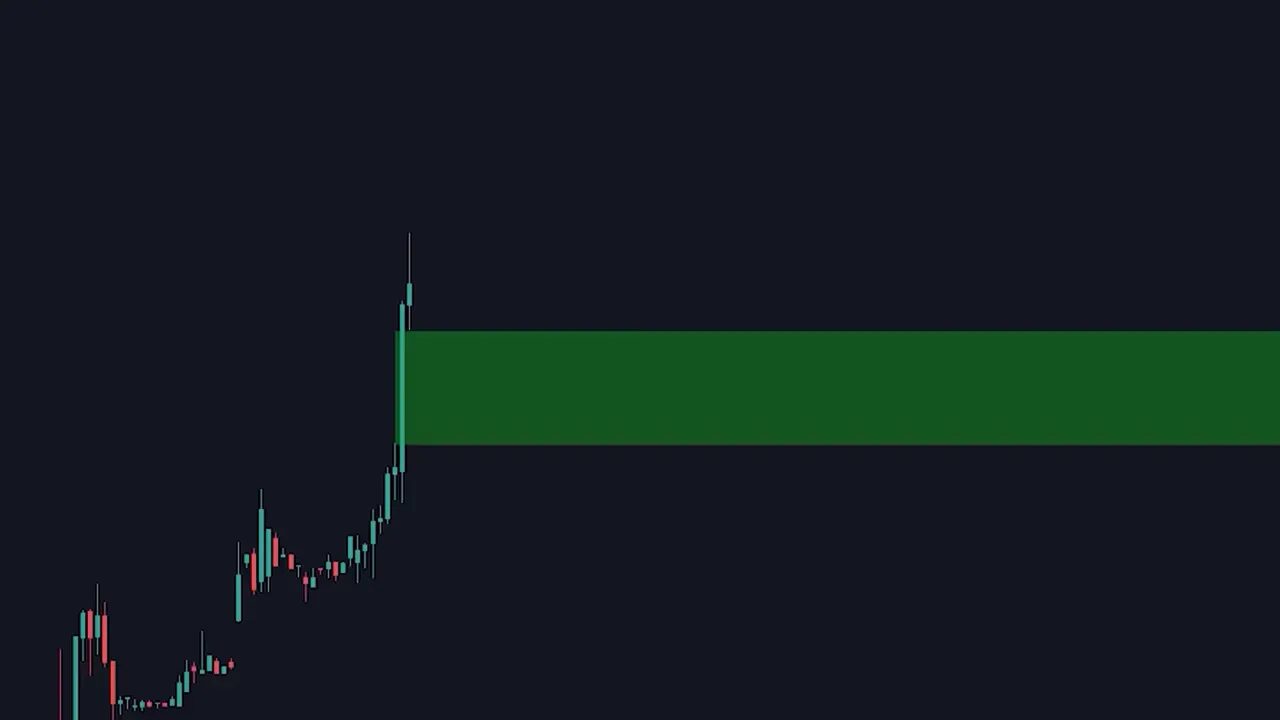
Fair value gaps as precision entries
A fair value gap is an imbalance created when price moves so quickly that opposite-side orders do not get filled. These rectangular zones act as natural magnets for price during rebalances and provide excellent entries with tight stops and attractive risk to reward.
Practical trade walkthrough
Step-by-step, this is how a real trade looks when the checklist aligns:
- Identify a key supply zone on the one-hour timeframe where price has previously rejected.
- Watch for a liquidity grab: price pushes above the recent high, then fails and falls back into the zone.
- Wait for a change of character: price breaks the recent higher low and starts to form lower highs and lower lows.
- Enable fair value gaps (or mark them manually) and wait for price to return to the nearest bearish gap.
- Enter short at the gap (at its start or at the halfway point for a better entry), place stop loss above the initiating high, and set take profit at the swing low.
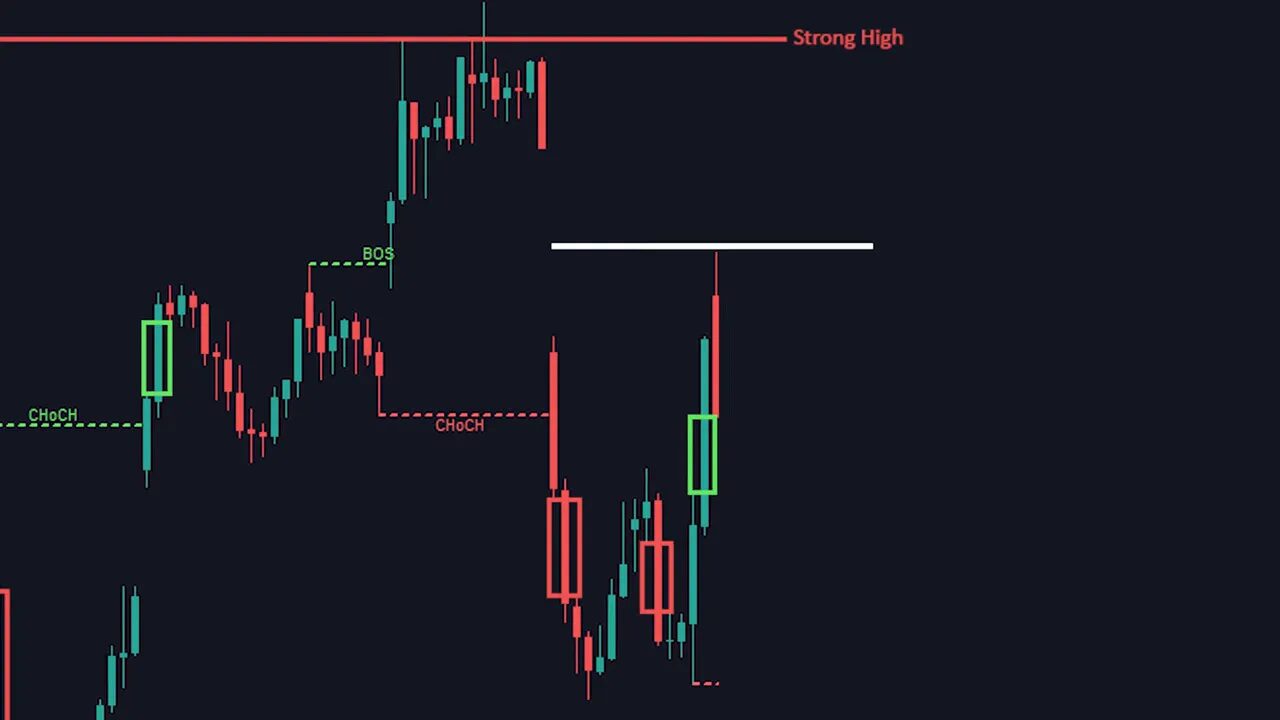
Two common entry styles: enter at the start of the gap for quicker execution, or wait for the midpoint for a tighter risk profile. Both work — the choice depends on your willingness to miss some setups in exchange for better entries.
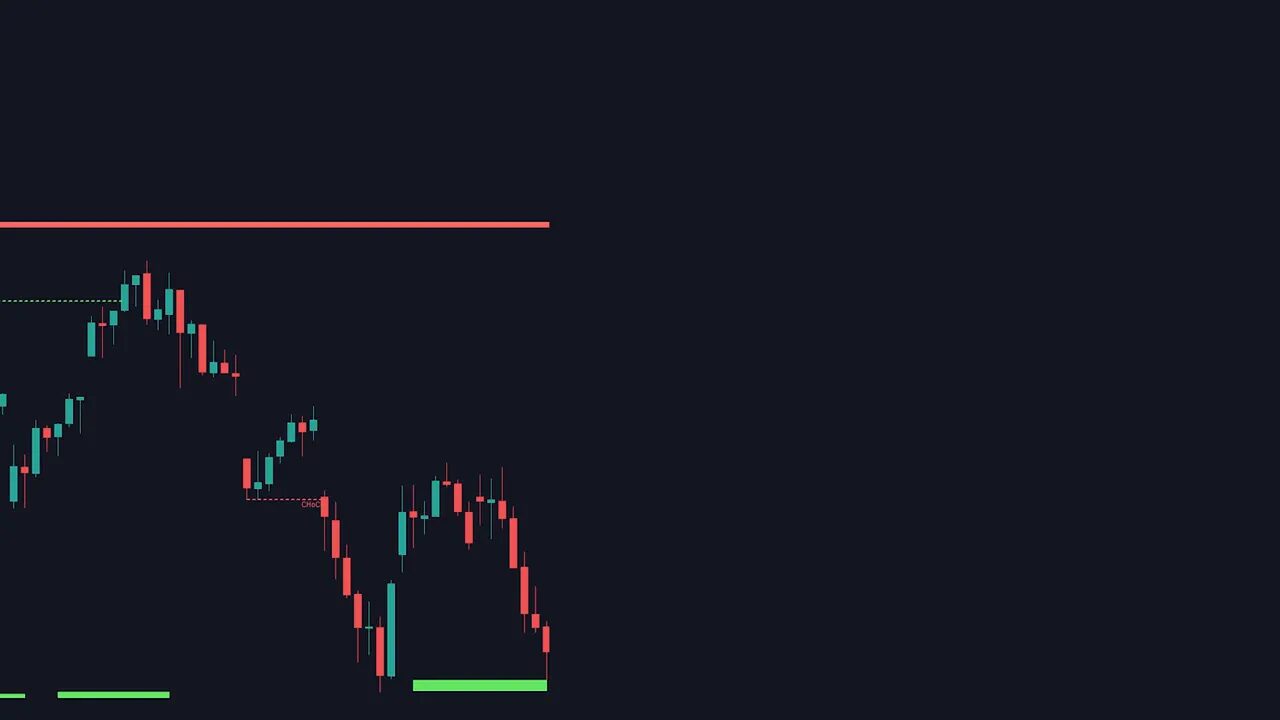
Using order blocks instead of liquidity grabs
Order blocks are an alternative to liquidity grabs and often perform even better. The rules are identical once price respects the order block:
- Wait for price to show respect at the order block (no decisive body candle slicing through).
- Confirm a change of character.
- Enter on the fair value gap that forms and manage risk the same way.
Risk management and practical tips
- Higher timeframes matter. The one-hour and above create stronger supply/demand zones and reduce noise.
- Always require a change of character after the liquidity grab or order block. Without it, the signal is weak.
- Use fair value gaps for entries to improve risk to reward and reduce slippage.
- Adjust stop placement to your risk tolerance. You can place stops at the immediate structure high/low or beyond the liquidity sweep depending on how much buffer you want.
- Do not cherry pick. This pattern repeats often across markets; consistency beats luck.
Quick rules summary
- Locate a strong supply or demand zone on a high timeframe.
- Look for a liquidity grab or a respectful order block in that zone.
- Confirm a change of character (structure break).
- Enter on a fair value gap or imbalance.
- Stop loss beyond the initiating high/low. Take profit at the opposite swing.
Frequently asked questions
What is the difference between a liquidity grab and an order block?
A liquidity grab is a false breakout that collects stop orders beyond a recent swing before reversing. An order block is a zone where institutions have placed significant orders; price often slows and respects these areas. Both produce reversals, but order blocks are specifically footprints of institutional activity while liquidity grabs are stop hunts.
How do I mark a fair value gap manually?
Take the wick of the candle before the aggressive move and the wick of the candle after the move. The rectangle between those wick points is the fair value gap. If the move is down, it is a bearish gap; if up, it is bullish.
Which timeframe should I use?
Start with one-hour and above. Higher timeframes produce stronger supply and demand zones and reduce false signals. You can use lower timeframes for precise entries once the higher-timeframe structure is confirmed.
Can I trade this in forex, stocks, and crypto?
Yes. Fair value gaps appear across markets. Gaps created by overnight price movements are common in stocks but not in forex. Use fair value gaps in forex and gaps plus fair value gaps in stocks.
Do I need an indicator to use this method?
No. You can identify supply/demand zones, liquidity grabs, order blocks, and fair value gaps manually. Indicators can speed up identification and reduce visual clutter, but they are not required to apply the concepts.
Closing thoughts
Trading like institutional players is less about secret signals and more about understanding structure and liquidity. A change of character supported by a strong area of interest and entered at an imbalance provides a repeatable edge. Practice the checklist, keep risk small, and focus on high-probability alignments rather than chasing every breakout.