
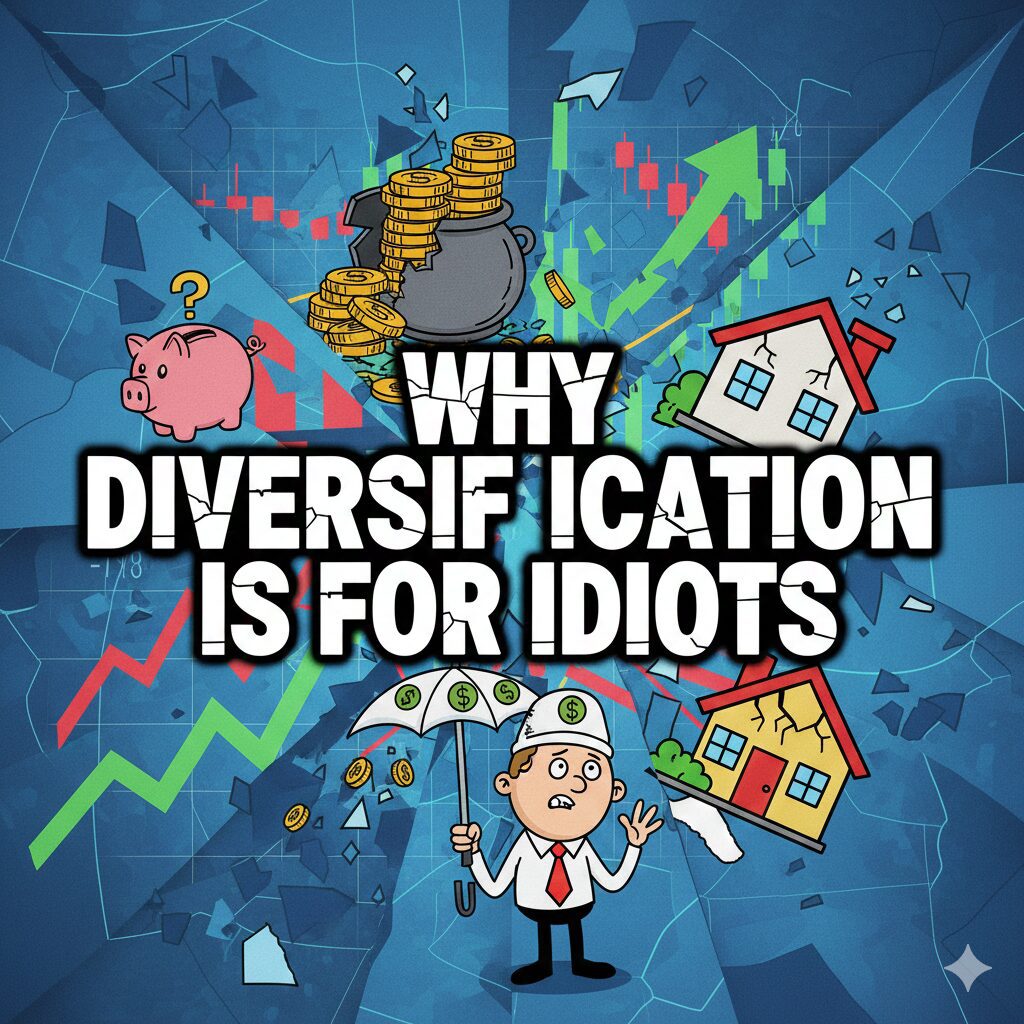
Most of what you learn in a basic finance class says diversify: spread your money across many stocks, and the losers cancel out the winners. That advice is simple and safe. But a different perspective—offered bluntly by Charlie Munger and echoed by Warren Buffett and Mark Cuban—says heavy diversification is often a confession of ignorance. The better route, they argue, is concentration: place meaningful bets only on businesses you truly understand.
Table of Contents
- How diversification became financial scripture
- The concentrated case: quality over quantity
- Why most people should still diversify
- How to think about concentrated bets
- A real-world example: making one-way bets
- Risks: not for everyone
- Final takeaway
- Is diversification always bad?
- How many stocks should a concentrated investor hold?
- What are the main dangers of concentrated investing?
- When should I switch from diversification to concentration?
- Are options and volatility trades a form of concentration?
How diversification became financial scripture
Diversification is appealing because it reduces the chance that one single failure wipes you out. For many investors it is the right call: no deep knowledge, limited time, and a desire to avoid catastrophic mistakes. Index funds, broad ETFs, and mutual funds exist to serve that need.
But an important truth lies underneath the slogan: diversification is a shield for uncertainty. If you do not know how to analyze businesses, owning a piece of everything produces average, predictable outcomes. That is precisely its strength and its limitation. It protects the inexperienced, but it also limits upside.
The concentrated case: quality over quantity
“Diversification is a protection against ignorance.”
Charlie Munger and Warren Buffett argue that the real game is spotting a few businesses that are materially better than average. When you find one of those rare companies with a durable competitive advantage, the optimal move is to commit significant capital rather than sprinkling money across dozens of mediocre ideas.
Buffett puts it plainly: if you find three wonderful businesses in your life, you’ll get very rich. He also notes that owning three easy-to-identify, wonderful businesses can actually be safer than owning 50 big-name firms you barely follow. The logic is simple: deep knowledge reduces idiosyncratic risk much more effectively than diversification can.

Why most people should still diversify
Concentration is not a universal prescription. There are practical limits. Most people do not have the time, temperament, or analytical framework to confidently value businesses and monitor them closely. For those investors, broad diversification via index funds or a diversified basket of quality companies remains sound advice.
Key reasons to diversify include:
- Limited time to research individual companies
- Lower tolerance for volatile swings
- Desire for smoother, predictable returns
- No conviction in any single business outcome
How to think about concentrated bets
Concentration requires three things: skill, conviction, and humility. Skill to analyze business models, conviction to withstand short-term volatility, and humility to accept mistakes when analysis proves wrong.
Practical guidelines to consider before concentrating capital:
- Understand the business model — revenue drivers, margins, and growth pathways.
- Identify durable advantages — network effects, brands, regulatory moats, or cost leadership.
- Make the research count — depth beats breadth. If you research 3 companies deeply, that is often more effective than skimming 50.
- Position size discipline — even with conviction, avoid single-position bets that would ruin your plan if wrong.
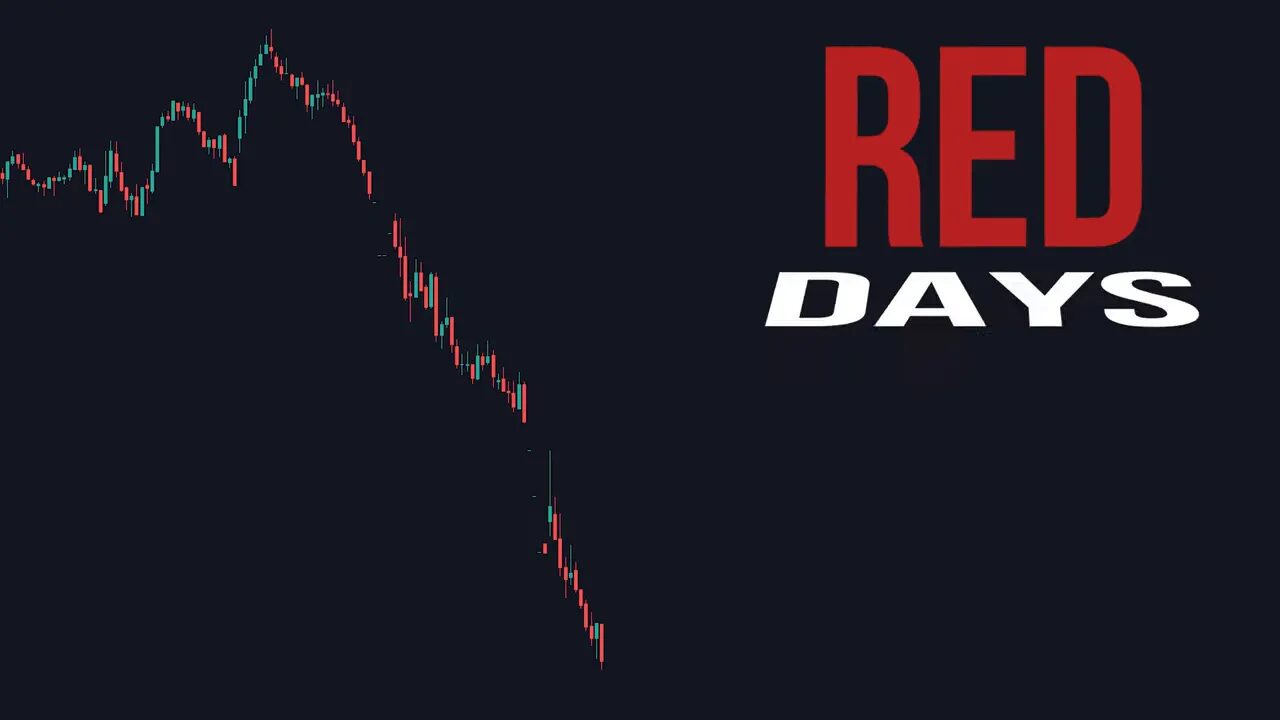
- Plan for volatility — concentrated portfolios often have large green days and large red days.

A real-world example: making one-way bets
Concentration does not mean reckless gambling. During market dislocations there are opportunities to buy assets at distressed prices. One approach taken historically is to concentrate in sectors or instruments you understand deeply. For example, some investors leaned heavily into MLPs and mortgage assets in 2008 and 2009 when those yields looked absurdly attractive relative to long-term fundamentals.

Another tactic is using options to express views on volatility. Buying out-of-the-money calls during a crash and later buying puts when the market runs up is a way to harvest big moves while sizing exposure carefully. This is an advanced strategy that requires an understanding of options pricing and risk management.

Risks: not for everyone
Concentration increases idiosyncratic risk. That is why the proponents of concentrated investing are also clear: this style is suited for the minority who truly know what they are doing. Expect jagged returns. Expect emotional stress. Expect the need for ongoing effort to stay informed.
For the majority, diversified investments deliver a more reliable path to long-term wealth accumulation. Diversity of holdings reduces single-point failures and smooths the journey, even if it caps extreme upside.
Final takeaway
There is no one-size-fits-all answer. Diversification is a tool and so is concentration. Use diversification as protection when knowledge is lacking or when smooth returns and low maintenance are priorities. Use concentration when you have the skill, the research, and the temperament to back a few high-conviction wagers. In short, diversification protects the uncertain. Concentration rewards the informed.
Is diversification always bad?
Diversification is not inherently bad. It is an effective risk-management tool for investors who lack the time, knowledge, or temperament for concentrated investing. It reduces downside and provides steadier returns, which is appropriate for most people.
How many stocks should a concentrated investor hold?
There is no magic number. Practitioners often talk about a handful of high-conviction positions—sometimes as few as three to ten. The key is that each position must be well understood and sized according to conviction and risk tolerance.
What are the main dangers of concentrated investing?
Main dangers include wrong analysis, sudden company-specific shocks, and emotional difficulty during large drawdowns. Concentrated portfolios also require active monitoring and a clear plan for when to sell.
When should I switch from diversification to concentration?
Only switch when you have demonstrated the ability to analyze businesses, can identify durable competitive advantages, and are comfortable with the increased volatility that comes with concentration. If you cannot meet those criteria, diversification remains the prudent choice.
Are options and volatility trades a form of concentration?
Yes. Using options to express views on volatility concentrates exposure to specific market moves rather than spreading capital across many securities. These strategies can amplify returns but also increase complexity and risk, so they are suitable only for experienced traders.
As an addendum, consider how cryptocurrencies fit into a diversified portfolio. For a focused comparison of traditional assets and digital ones, see Stocks vs Crypto.
If you’re weighing long-term stores of value, read Bitcoin vs Gold and learn about Stablecoins and their implications for stability and regulation.
For active traders considering concentrated crypto exposure, explore Crypto signals and compare venues in the Best exchanges guide. Also review historical custody risks such as Mt. Gox when deciding how to hold crypto assets.