
Table of Contents
- Why one indicator stood out
- What VWAP actually is and how it behaves
- Why institutions favor VWAP
- Practical VWAP trading rules that work
- How to improve VWAP with a simple filter
- Applying VWAP outside of stocks — crypto and other markets
- Finding good intraday targets
- Practical VWAP checklist before you trade
- FAQ
- Final thoughts
Why one indicator stood out
After digging through countless indicators and strategies, one line kept showing up and hitting hard: the VWAP, or volume weighted average price. It looks like a moving average at first glance, but it is smarter because it weights price by volume. In practical terms that means the VWAP cares more about where lots of traders actually traded, not just where prices sat.
Volume is king. If a spike at $40 had 10,000 shares versus a $20 move with 100 shares, the true market average shifts closer to where the heavy volume was. That is the core idea behind VWAP: it tells you where the market actually found liquidity.
What VWAP actually is and how it behaves
VWAP stands for volume weighted average price. It takes each intraday price and weights it by volume, producing a single line that recalculates during the trading session. Unlike a simple moving average, VWAP factors in how much trading occurred at each price level.
Because most trading platforms and many traders use VWAP, the line itself becomes a focal point. It often acts as both support and resistance during the trading day. When price is above VWAP the short-term bias is bullish. When price is below VWAP the bias is bearish.
VWAP as a magnet
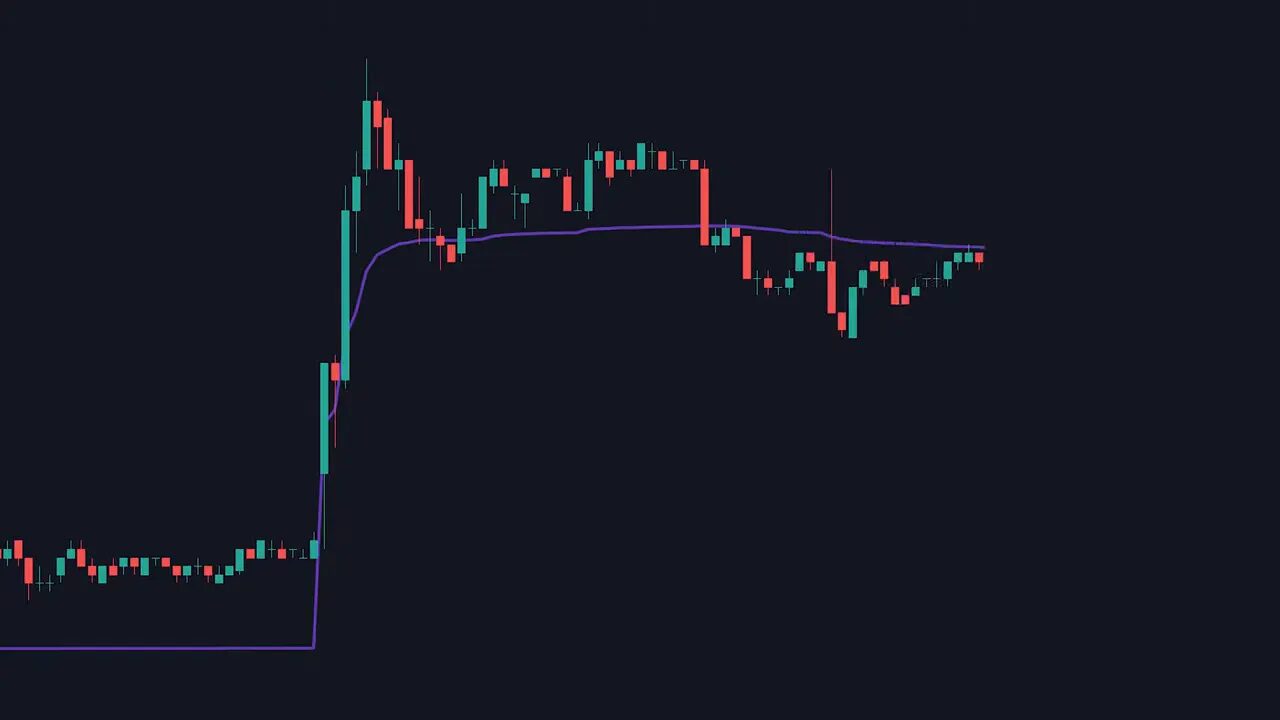
In intraday sessions VWAP often spikes at the open and then smooths out. Price tends to gravitate back toward the VWAP after big moves, like a magnet pulling price toward the area of heaviest traded volume. The first touch of VWAP on a pullback is usually the most reliable bounce or rejection; repeated touches weaken its hold.
Why institutions favor VWAP
Institutional traders and mutual funds often place orders around the VWAP to minimize market impact. Because VWAP normally represents where the most liquidity exists during the day, large orders can be executed closer to that price with less slippage. That institutional behavior reinforces VWAP’s importance: lots of capital targeting the same level increases the chance price reacts there.
Practical VWAP trading rules that work
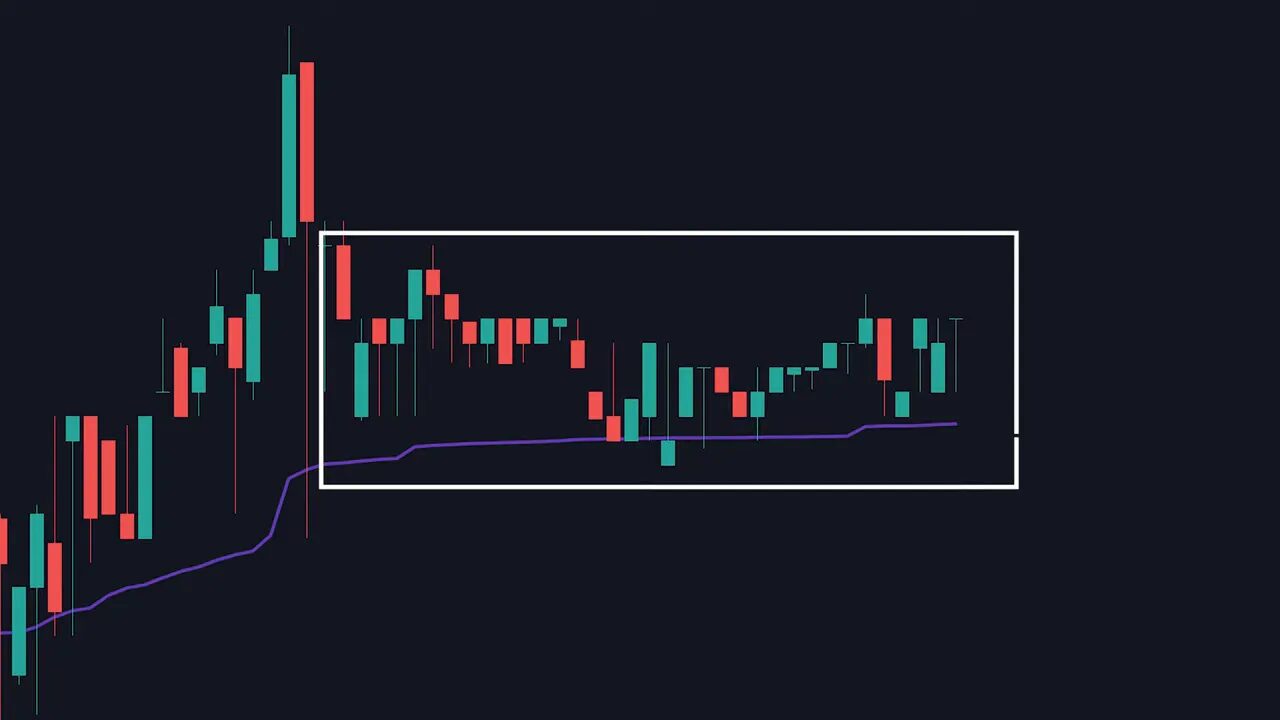
Keep trading simple. For intraday trading the VWAP usually gives a clear read: price above means look for long opportunities; price below means look for short opportunities. Use the first touch for higher-probability setups because the first interaction tends to be respected more than later ones.
- Trend bias: Use VWAP to define the intraday trend (above = bullish, below = bearish).
- First touch: The first bounce or rejection from VWAP is often the strongest.
- Confirmation matters: Watch price action around VWAP rather than blindly entering the moment price meets the line.
Common pitfalls
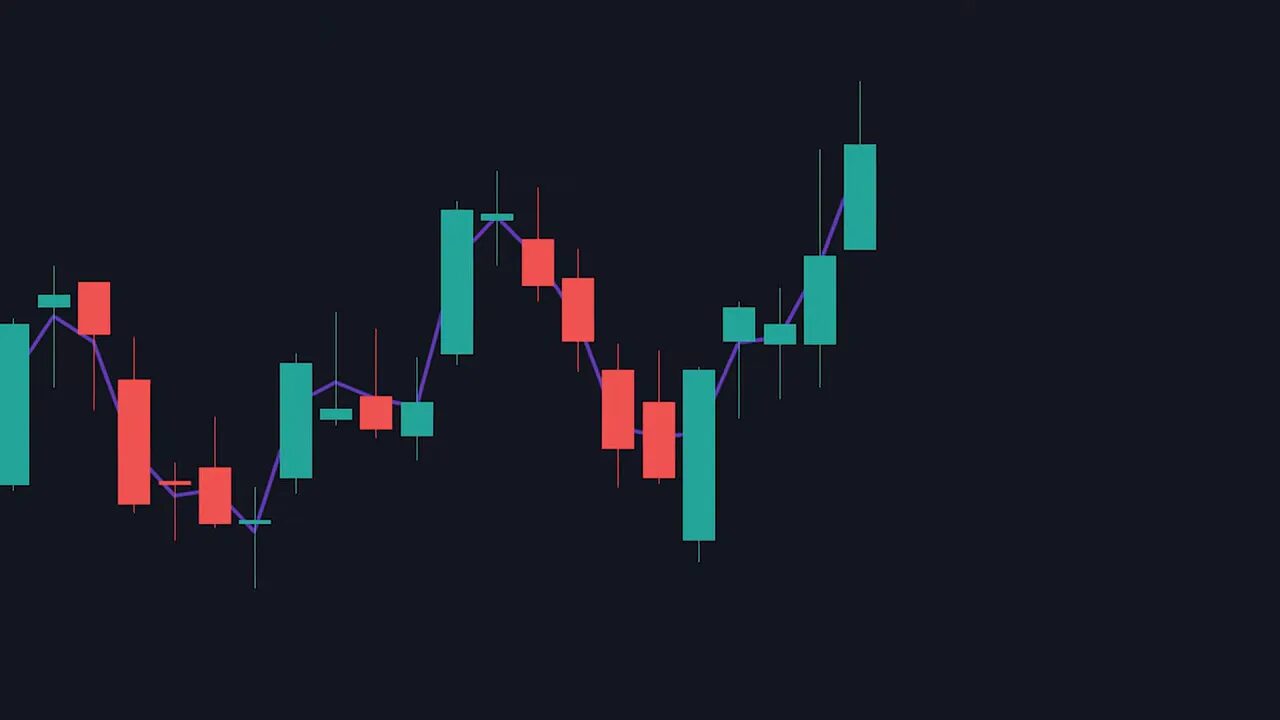
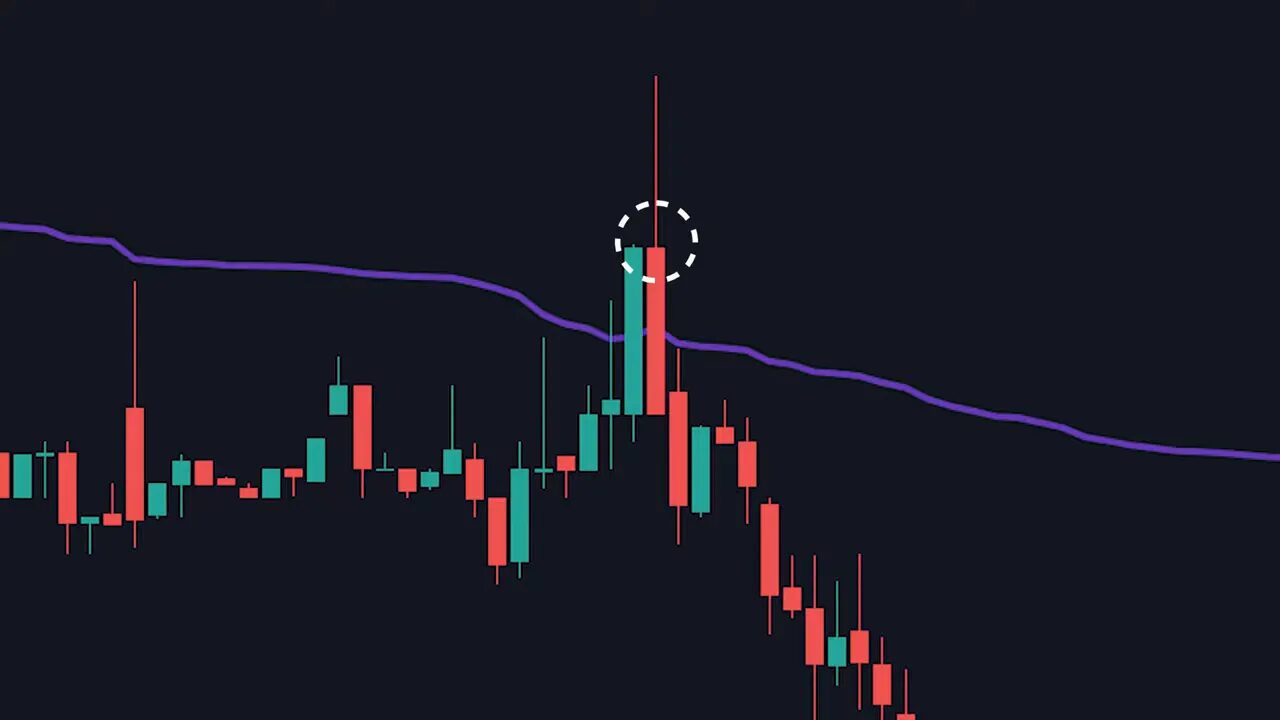
VWAP is not perfect. False breakouts occur when price briefly crosses VWAP and then reverses, creating bull or bear traps. That happens most often when the underlying longer-term momentum contradicts the intraday move. Treat VWAP as a guide, not a guarantee.
How to improve VWAP with a simple filter
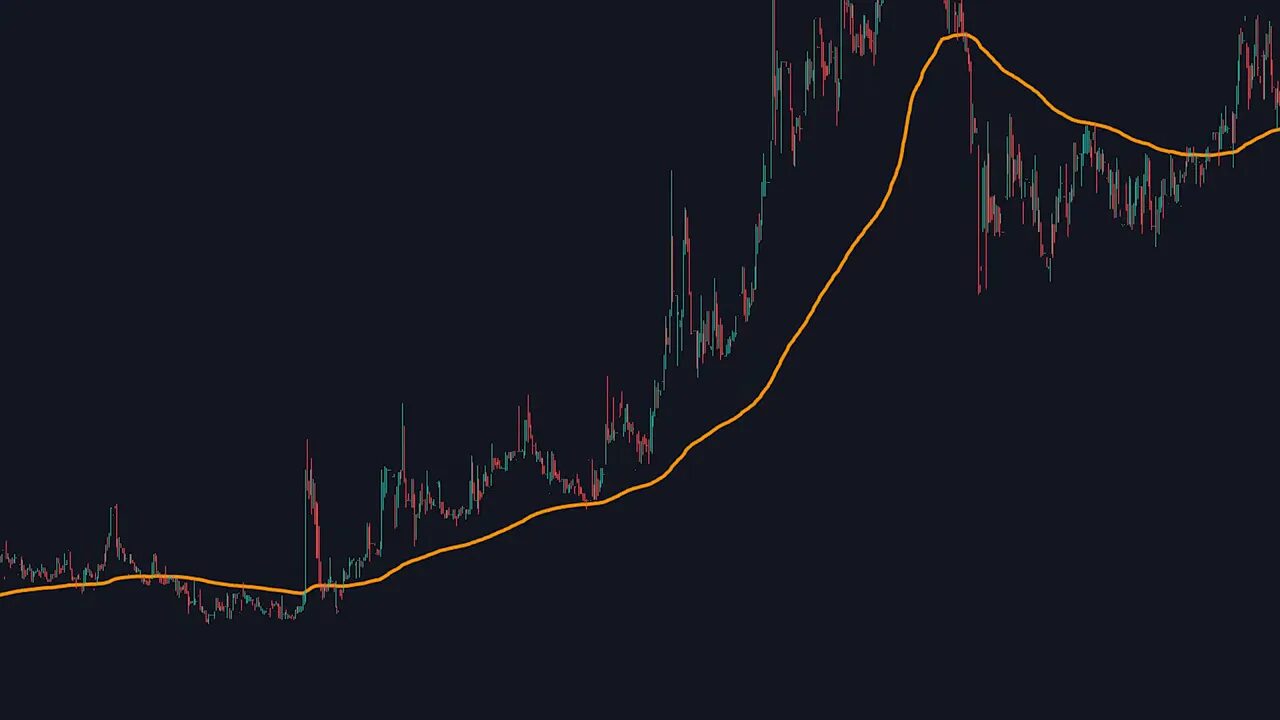
One quick way to reduce false signals is to combine VWAP with a 200 exponential moving average (200 EMA) on the same timeframe. The rule is simple: only take VWAP bounce trades when price is above the 200 EMA. If price is below the 200 EMA, skip long setups even if price bounces off VWAP.
This filter forces you to trade with the broader trend and cuts down on trades that look good intraday but fight heavier downward momentum. The result is fewer whipsaws and a higher win rate on VWAP setups.
Applying VWAP outside of stocks — crypto and other markets
VWAP is intraday by design, so it works best on markets that have consistent, high-frequency volume data. That includes many liquid cryptocurrencies traded on centralized exchanges. However, some tokens trade thinly across multiple venues, which can distort VWAP readings.
If you trade crypto, using VWAP alongside a reliable market scanner or signals service can be very helpful. A trustworthy cryptocurrency trading signals service can point out tokens that are showing strong volume patterns and clearing multiple liquidity zones across exchanges, making VWAP-based entries more actionable. Combining VWAP reads with curated crypto signals reduces the time you spend hunting and helps you focus on high-probability setups across different blockchains.
Finding good intraday targets
Look for stocks or tokens that gapped or spiked at the open with clear volume surges. Those instruments often create pronounced VWAP moves and predictable first-touch reactions. Avoid low-volume names where the VWAP will be noisy and easy to break.
- High opening volume and clear range make the VWAP more reliable.
- Pairs that show institutional interest are better candidates for VWAP trading.
- A 200 EMA filter improves trade quality by aligning intraday entries with the larger trend.
Practical VWAP checklist before you trade
- Confirm price relative to VWAP and the 200 EMA.
- Prefer the first touch of the day for entries.
- Watch for sudden volume spikes that might create false breakouts.
- Use clear risk management: set stop levels below the VWAP bounce for longs, or above VWAP for shorts.
- Scan for high liquidity instruments; consider using a crypto signals service when trading tokens to narrow down the best opportunities.
FAQ
What is the VWAP and how does it differ from a moving average
VWAP is the volume weighted average price for the trading day. Unlike a simple or exponential moving average that treats each price point equally, VWAP weights prices by the volume traded at those levels, giving more influence to prices where more trading occurred.
Can VWAP be used for cryptocurrencies
Yes, VWAP works on liquid cryptocurrencies traded on centralized exchanges. It is best on pairs with consistent intraday volume. For tokens with fragmented liquidity, combine VWAP with a reliable market scanner or a cryptocurrency trading signals service to find cleaner setups.
Should I pair VWAP with other indicators
Pairing VWAP with a higher timeframe trend filter like the 200 EMA helps filter out false breakouts. Also watch raw volume and price action around VWAP rather than relying on the line alone.
Is VWAP suitable for swing or long-term trading
VWAP is an intraday indicator that recalculates each trading day, so it is not ideal for swing or long-term investing. For those timeframes, look at longer moving averages and volume profile tools that aggregate across multiple days.
How reliable is the first touch of VWAP
The first touch of VWAP usually has the highest probability of respecting the line because traders and algorithms often target that area early in the session. As price interacts with VWAP more times, its reliability tends to decrease.
Final thoughts
VWAP is one of the most widely used intraday indicators for good reasons. It combines price and volume into a single, easy-to-read line that highlights where liquidity lives. Use the first touch for higher-probability trades, add a 200 EMA to avoid false breakouts, and focus on liquid instruments. For crypto traders, pairing VWAP with curated cryptocurrency trading signals can uncover strong, actionable opportunities while cutting down on noise.
“I care where more people are entering and exiting.” — That is the essence of VWAP; it points you toward the market’s collective footprint, and trading with that footprint greatly improves the odds.