
Trend following is one of the cleanest ways to trade: you let the market tell you its direction instead of guessing where it might go. The Supertrend indicator is a compact, powerful tool for that exact purpose. It pairs momentum with volatility (thanks to ATR) to show when a market is trending—and when it is not. Below you’ll find three practical strategies that turn the Supertrend from a simple color switch into a disciplined trading system.
Table of Contents
- Why Supertrend Works
- Quick setup: adding Supertrend on TradingView
- Strategy 1 — Triple Supertrend Confirmation
- Strategy 2 — Supertrend with the 200-period EMA (Trend alignment)
- Bonus Strategy — Supertrend with Ichimoku Kumo Cloud
- Practical checklist before entering
- Pros and cons
- FAQ
- Final thoughts
Why Supertrend Works
The Supertrend combines price action with the Average True Range. That means it tracks momentum while adjusting for volatility. When the Supertrend flips green, it signals bullish momentum; when it flips red, bearish momentum. Simple signals like that are useful, but they can generate false entries when the market is choppy.
To get consistent edges you must filter those false signals and only trade when the market is truly trending. The techniques below do exactly that: they add confirmation layers so entries come during higher-probability moves.
Quick setup: adding Supertrend on TradingView
To follow along, open your charting platform and add Supertrend from the indicators list. The default visual—green for long, red for short—is enough for basic use, but the strategies that follow tweak the settings for better performance.
Strategy 1 — Triple Supertrend Confirmation
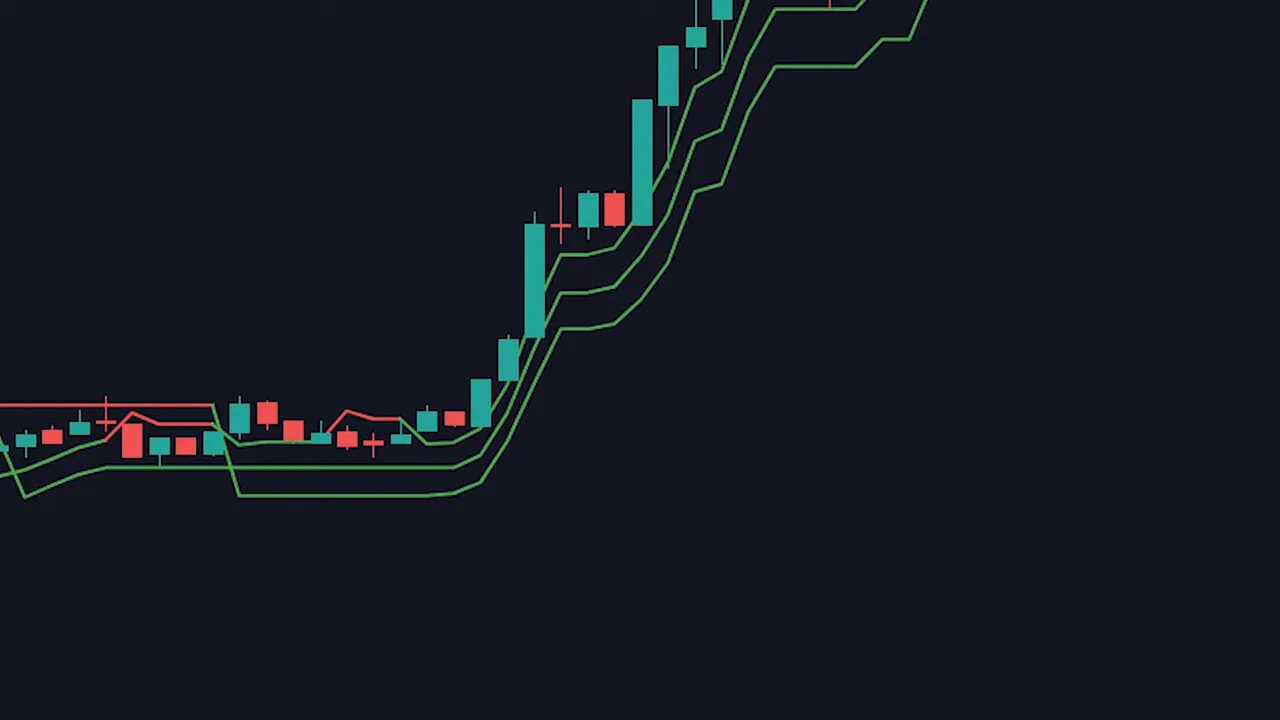
This is a simple, robust filter: add three Supertrend indicators with slightly different ATR periods and multipliers. The idea is to only enter when all three agree in color. Disagreement usually means the market is indecisive or range bound.
Indicator settings
- Supertrend A: ATR period = 12, multiplier = 3
- Supertrend B: ATR period = 10, multiplier = 1
- Supertrend C: ATR period = 11, multiplier = 2
Turn off any long/short icons so the chart remains clear. The trade rule is straightforward: only enter long when all three lines are green, and only enter short when all three lines are red.
Why this works
Each Supertrend is tuned to react slightly differently to price and volatility. When all three flip together, the odds that the move is real increase. When one remains opposite, the market is likely still chopping and is best avoided.
Exit ideas
- Set a take profit at a fixed risk-reward, for example 1.5:1.
- Exit when any one of the Supertrend lines flips color.
- Use a trailing stop based on ATR to lock in gains while letting winners run.
Strategy 2 — Supertrend with the 200-period EMA (Trend alignment)
Combine Supertrend for short-term momentum with the 200-period exponential moving average for long-term trend direction. This pairs the best of both worlds: timely entries and higher-probability direction.
Rules
- Enter long only if the Supertrend is green and price is above the 200 EMA.
- Enter short only if the Supertrend is red and price is below the 200 EMA.
- Wait whenever Supertrend and the 200 EMA disagree or price sits near the EMA.
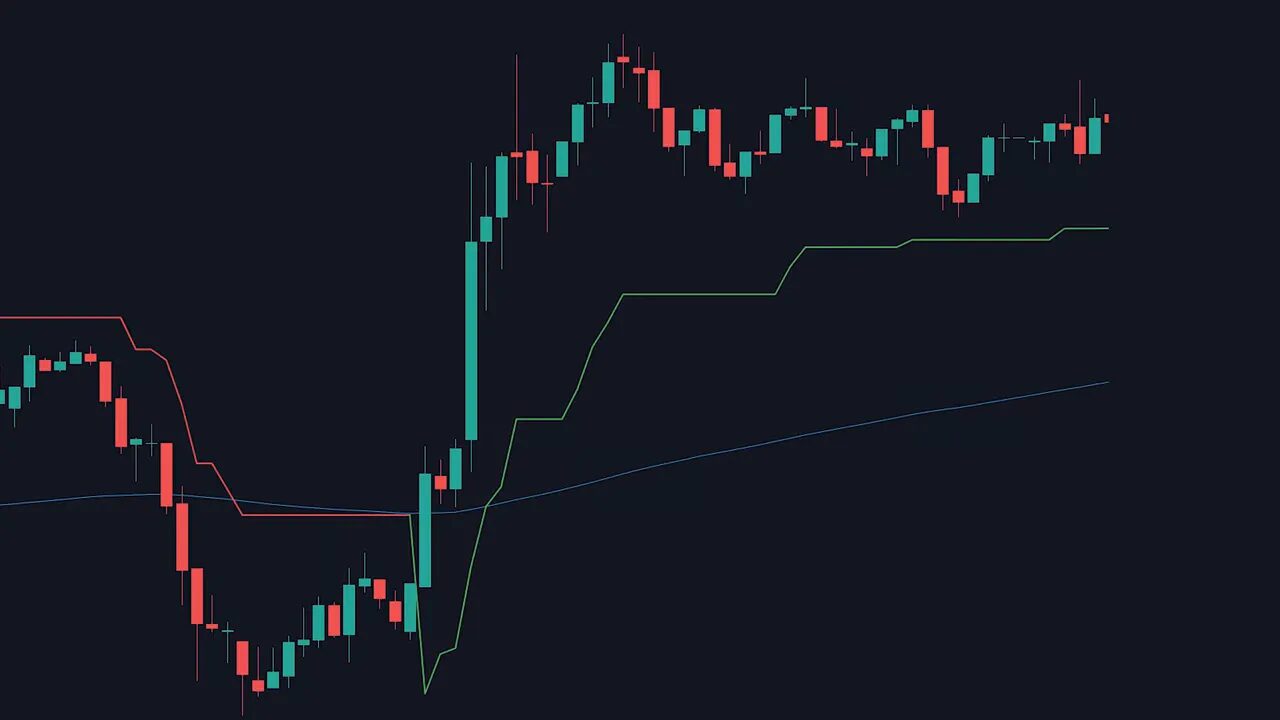
Exit options are the same as before: a 1.5 profit ratio, exiting when Supertrend flips, or using the EMA as a dynamic stop. This alignment reduces the risk of fighting the larger market context and works especially well on higher timeframes.
For traders active in crypto markets, aligning short-term Supertrend signals with a longer-term trend can be particularly valuable across different blockchains and token pairs. If you track multiple coins and want a reliable way to spot high-probability setups across markets, consider pairing your analysis with dedicated tools like our best crypto trading signals to highlight the strongest trending opportunities quickly and consistently.
Bonus Strategy — Supertrend with Ichimoku Kumo Cloud
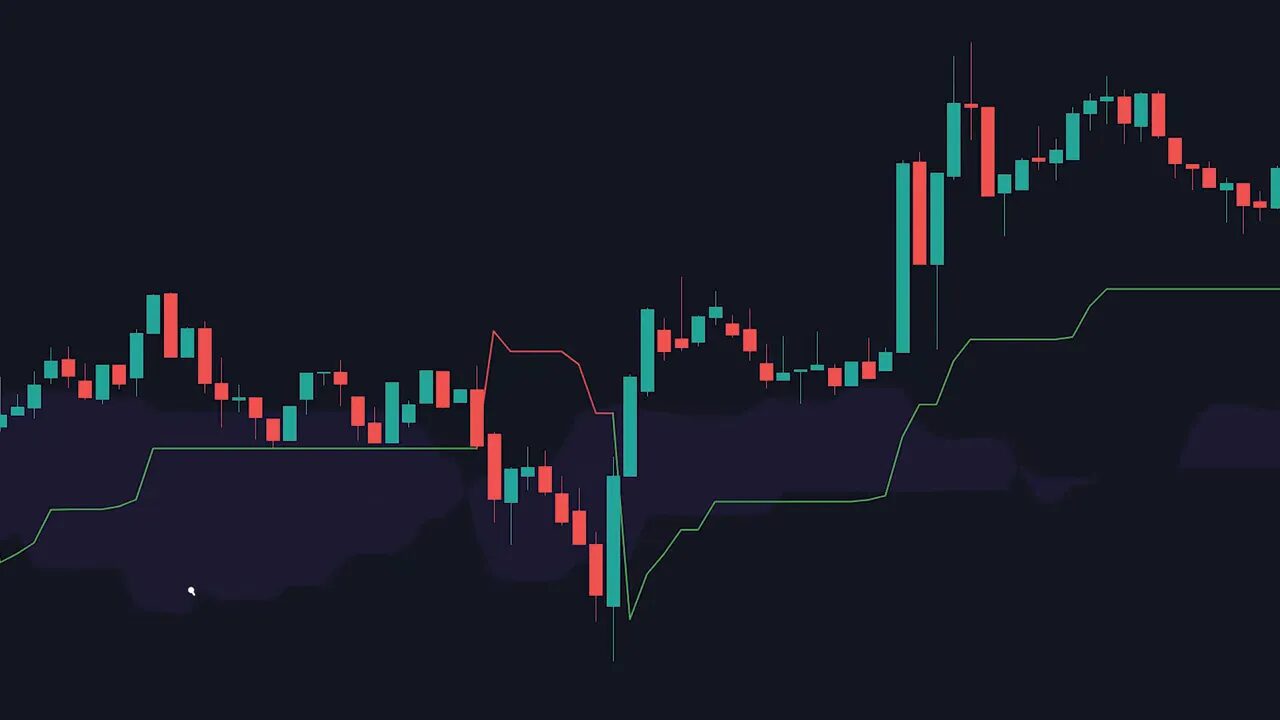
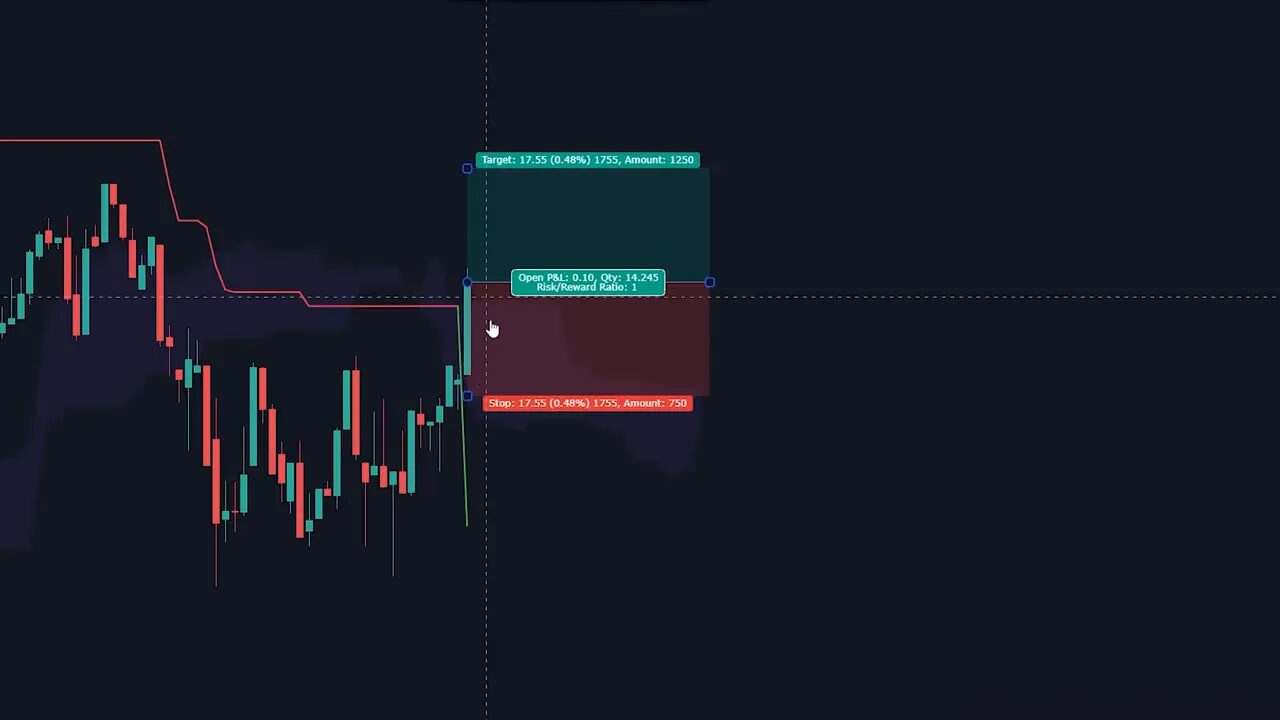
Ichimoku provides a visual map of support, resistance, and trend strength via the Kumo cloud. Combining Supertrend with the cloud filters entries so trades happen only when price clears the cloud in the direction of the Supertrend.
Setup tips
- Add Ichimoku and simplify the display by hiding the extra lines you do not need.
- Color the cloud a single, visible shade to make cloud breaks obvious.
Trading rules
- Enter long only when Supertrend is green and price is above the Kumo cloud.
- Do not enter when price is inside the cloud or below it.
- Enter short only when Supertrend is red and price is below the Kumo cloud.
Exits can be a fixed reward ratio, exiting when price re-enters the cloud, or when Supertrend flips. The cloud acts as both a trend filter and a dynamic area of support and resistance, so using it reduces whipsaws.
Practical checklist before entering
- Confirm Supertrend color(s) depending on your chosen strategy.
- Check higher timeframe trend (200 EMA or weekly close above/below cloud).
- Verify volatility conditions with ATR; avoid exceptionally low ATR ranges.
- Plan risk: define stop size and target (suggested 1.5:1 RR) before entry.
- Ensure position size aligns with your risk per trade rules.
Pros and cons
Pros
- Clear rules reduce emotional decision making.
- Combining trend and volatility filters improves signal quality.
- Works across assets and timeframes with minor adjustments.
Cons
- Late entries on very fast moves; Supertrend can lag in explosive breakouts.
- Small losses can occur during chop if filters are not respected.
- Parameter tuning may be needed per asset class or timeframe.
FAQ
How do I choose which Supertrend settings to use?
Start with the recommended triple setup: (12,3), (10,1), (11,2). These give variation in sensitivity. Then backtest or paper trade on the specific asset and timeframe you trade and tweak ATR periods and multipliers if necessary.
Which timeframe is best for these strategies?
They work on multiple timeframes. Higher timeframes like 4H and daily reduce noise and produce more reliable trends. Shorter timeframes can work but require tighter risk management and more frequent monitoring.
What stop loss should I use?
Use ATR-based stops, a nearby swing low/high, or the opposite Supertrend flip. Position size should be set so the dollar risk equals your predefined per-trade risk limit.
Can these strategies be applied to crypto markets?
Yes. Crypto is volatile, so the volatility-aware Supertrend is helpful. Pairing with the 200 EMA or Ichimoku reduces false signals. For traders managing many coin pairs, combining these methods with a reliable service like best crypto trading signals can streamline finding the best trending opportunities across blockchains.
What should I watch for when the market is range bound?
Avoid entries when Supertrend indicators disagree or when price is inside the Ichimoku cloud. Choppy markets produce many false flips; the triple-confirmation rule prevents overtrading during those periods.
Final thoughts
Supertrend is deceptively simple but powerful when combined with trend filters and volatility-aware rules. Use the triple Supertrend for internal confirmation, the 200 EMA for long-term alignment, and Ichimoku for structural clarity. Each approach reduces guesswork and helps you trade with the market instead of against it.
Try these strategies in a demo or paper account, tune the settings for your preferred assets, and keep a simple, disciplined plan for entries, exits, and risk. Consistency beats complexity when it comes to trend following.