
Sending $30 of ETH and getting quoted a $42 gas fee is the kind of experience that makes people close their wallet app and wonder whether crypto is fundamentally broken.
It is not broken. Most people are just using the expensive lane.
Ethereum mainnet is still the most well-known version of Ethereum, but it is no longer the place where most people should be doing everyday transactions. The cheaper, faster version of Ethereum now lives on Layer 2 rollups like Base, Arbitrum, and Optimism, where a transfer can cost a fraction of a cent instead of tens of dollars.
If high ETH fees have ever put you off, this is the part that changes everything.
Table of Contents
- Why Ethereum gas fees get so expensive
- The fix: Ethereum Layer 2s
- The three biggest Ethereum express lanes
- Which Layer 2 should you choose?
- The wallet part that confuses beginners
- How to move funds onto a Layer 2 safely
- Why bridge safety matters so much
- The trade-offs of using Layer 2s
- What happens next: gas fees may disappear from the user experience entirely
- Why this matters for real-world crypto use
- The practical takeaway
- FAQ
Why Ethereum gas fees get so expensive
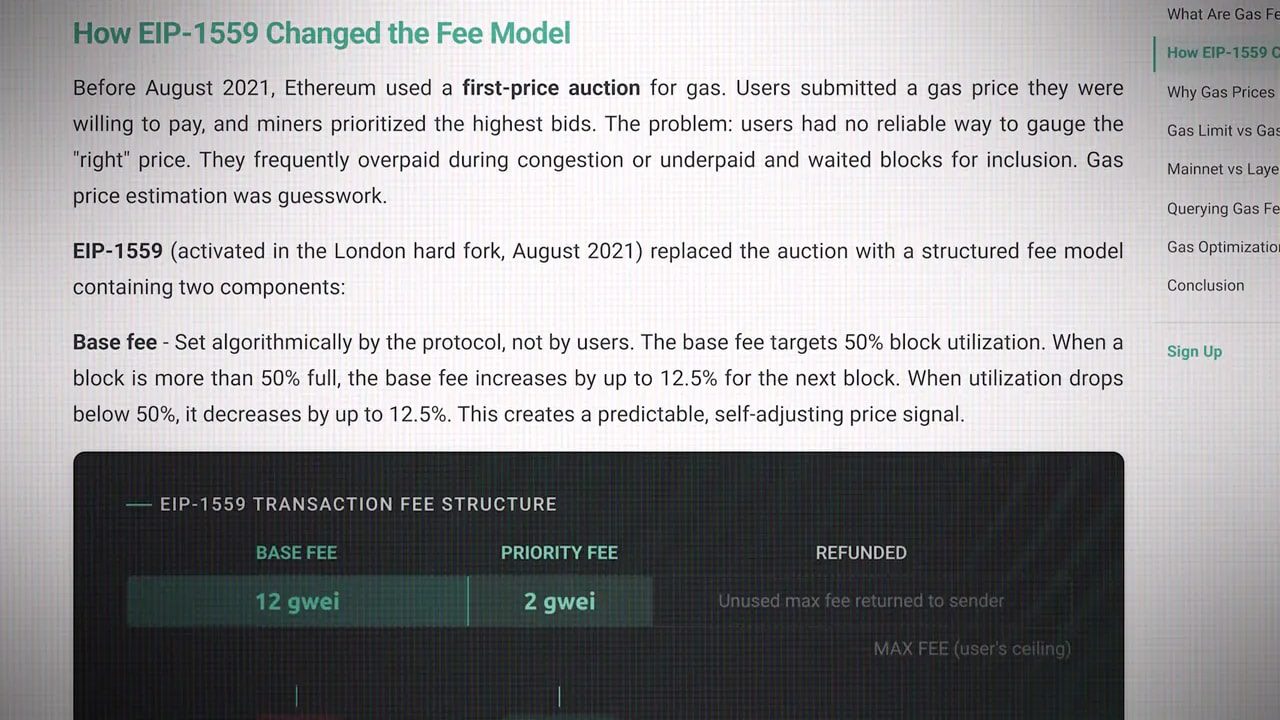
Ethereum is essentially a giant shared computer. Every transaction, token swap, NFT mint, and smart contract interaction competes for space in the next block. That space is limited.
When demand is low, fees can be manageable. When demand spikes, everyone starts bidding against everyone else. That is what gas really is: a bid for block space.
The easiest way to picture it is a one-lane road during rush hour. Everyone wants through at once, and the people willing to pay the most get priority. If an NFT drop goes viral or a meme coin frenzy erupts, that congestion can send fees soaring 10 to 20 times above normal levels in minutes.
So when someone gets hit with a ridiculous fee just to move a small amount of ETH, it usually is not because Ethereum stopped working. It is because they tried to drive on the busiest and most expensive road at exactly the wrong time.
The fix: Ethereum Layer 2s
The solution is not abandoning Ethereum. It is using the version of Ethereum that was built to scale.
Layer 2s sit on top of Ethereum and act like express lanes. Instead of posting every single transaction directly to mainnet, they gather thousands of transactions together, compress them, and send a summarized batch back to Ethereum.
That means the cost of interacting with Ethereum gets shared across thousands of users.
- On mainnet, one person may pay the entire gas cost alone.
- On a rollup, thousands of people split the cost of settlement.
- The end result is dramatically lower fees while still using Ethereum as the underlying security layer.
These Layer 2s are called rollups because they literally roll up many transactions into one batch.
And this got much better after Ethereum upgrades such as Dencun in March 2024 and Pectra in May 2025, which helped slash Layer 2 costs by roughly 90% to 95% compared with earlier levels.
Today, around 95% of Ethereum activity happens on these cheaper lanes. Mainnet is increasingly the settlement layer underneath. The action is happening on L2s.
The three biggest Ethereum express lanes
There is no single winner here. Base, Arbitrum, and Optimism are all fast, all cheap, and all settle to Ethereum. The right choice depends on what you want to do.
1. Base
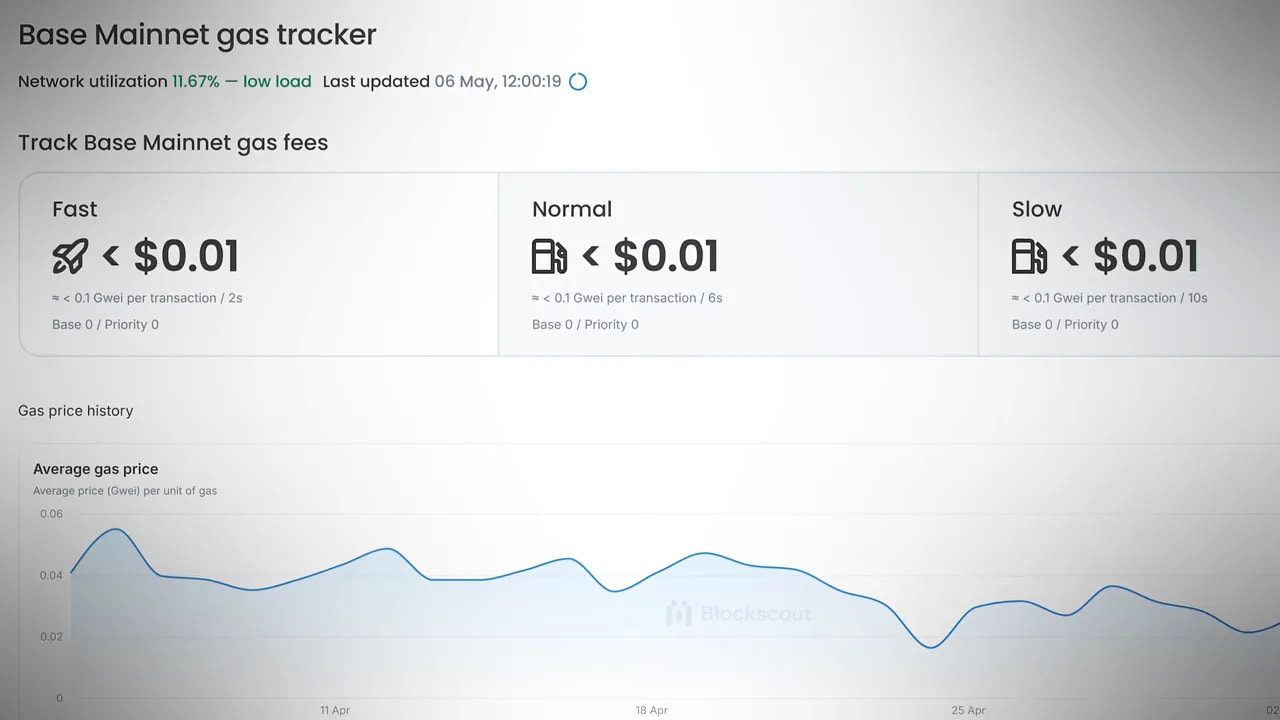
Base was built by Coinbase and launched in August 2023. It has become one of the easiest entry points for beginners because it feels familiar to anyone already using Coinbase to buy crypto.
Base processes roughly 7 to 10 million transactions per day, making it one of the busiest Layer 2 networks. A simple ETH transfer can cost around one tenth of a cent.
Why people like it:
- Extremely low fees
- No separate “Base token” to learn
- Very easy onboarding from Coinbase
- Beginner-friendly path from exchange to self-custody
If someone has just bought ETH and wants to actually use it without paying a painful fee, Base is often the smoothest route.
2. Arbitrum
Arbitrum has been live since August 2021, making it the oldest and most battle-tested of the major rollups. It was built by Offchain Labs and is often the first choice for people who want access to deeper DeFi ecosystems.
A standard transaction on Arbitrum costs about half a cent.
What makes it stand out is depth:
- Hundreds of apps
- Deep DeFi liquidity
- A long operating history
- A strong reputation among more advanced Ethereum users
If your goal is to use more sophisticated DeFi apps, Arbitrum is often the place to start.
And for traders moving between ecosystems looking for fast opportunities, keeping funds on lower-cost networks like Arbitrum can make far more sense than burning capital on repeated mainnet fees. That is especially true if you are acting on short-term setups and want your execution costs under control. In that kind of environment, services such as crypto spot trading signals can be useful because they help identify opportunities while Layer 2s help keep transaction friction low.
3. Optimism
Optimism is slightly different because it is not just a chain. It is also the framework behind other chains.
Base itself runs on Optimism’s open-source framework, known as the OP Stack. Other chains such as World Chain, Zora, and Ink also use it.
That makes Optimism feel less like a single product and more like an operating system for Ethereum rollups.
A standard transaction on Optimism costs around 1 cent. It is cheap, fast, and increasingly important because so many newer ecosystems are being built with the same architecture underneath.
Which Layer 2 should you choose?
If you want the simplest route, Base is hard to beat.
If you want the deepest DeFi ecosystem and the longest track record, Arbitrum is a very strong choice.
If you want exposure to the broader “superchain” style ecosystem built around the OP Stack, Optimism makes a lot of sense.
The key point is this: all three are dramatically cheaper than Ethereum mainnet for normal usage.
The wallet part that confuses beginners
This is where many people get tripped up.
Your wallet address is usually the same address across Ethereum mainnet and Layer 2s. The exact same 0x address can work on mainnet, Base, Arbitrum, and Optimism.
But the assets are not magically shared.
The easiest mental model is this: think of one house with different drawers inside it.
- The house is your wallet address.
- The drawers are the separate blockchains.
- Your ETH on Base is in a different drawer from your ETH on Arbitrum.
Same address. Different network balances.
So if you switch to a new network and your wallet suddenly looks empty, that does not automatically mean your funds vanished. It usually means you are looking in the wrong drawer.
MetaMask
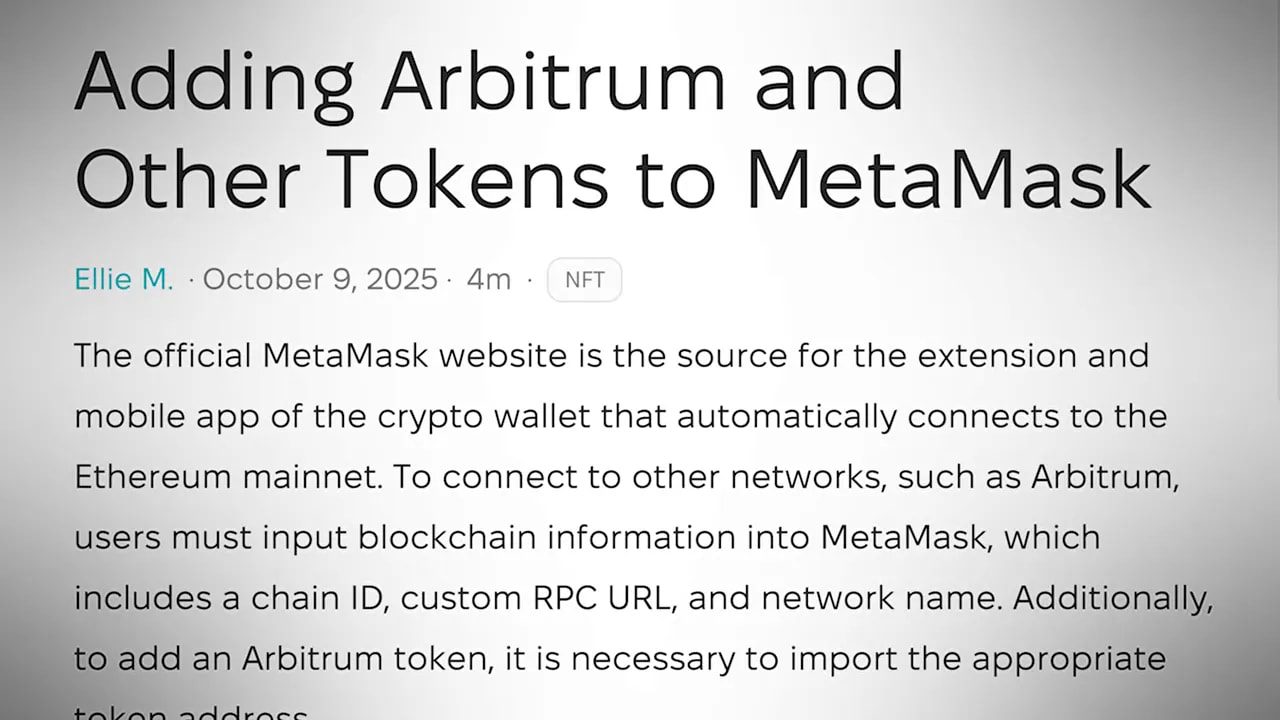
MetaMask works on all major Ethereum Layer 2s, but it does not auto-detect every network by default. That means you may need to manually add Base, Arbitrum, or Optimism under the network settings.
If you do not do that, the wallet can appear empty, which has caused plenty of unnecessary panic.
Rabby
Rabby, built by the DeBank team, offers a smoother experience for people moving between chains. It can automatically detect and switch networks when you connect to apps.
For anyone regularly using multiple L2s, that convenience matters.
Coinbase Wallet
Coinbase Wallet is separate from the Coinbase exchange app, and it has strong Base support built in. If Base is your main destination, it is one of the simplest options available.
How to move funds onto a Layer 2 safely
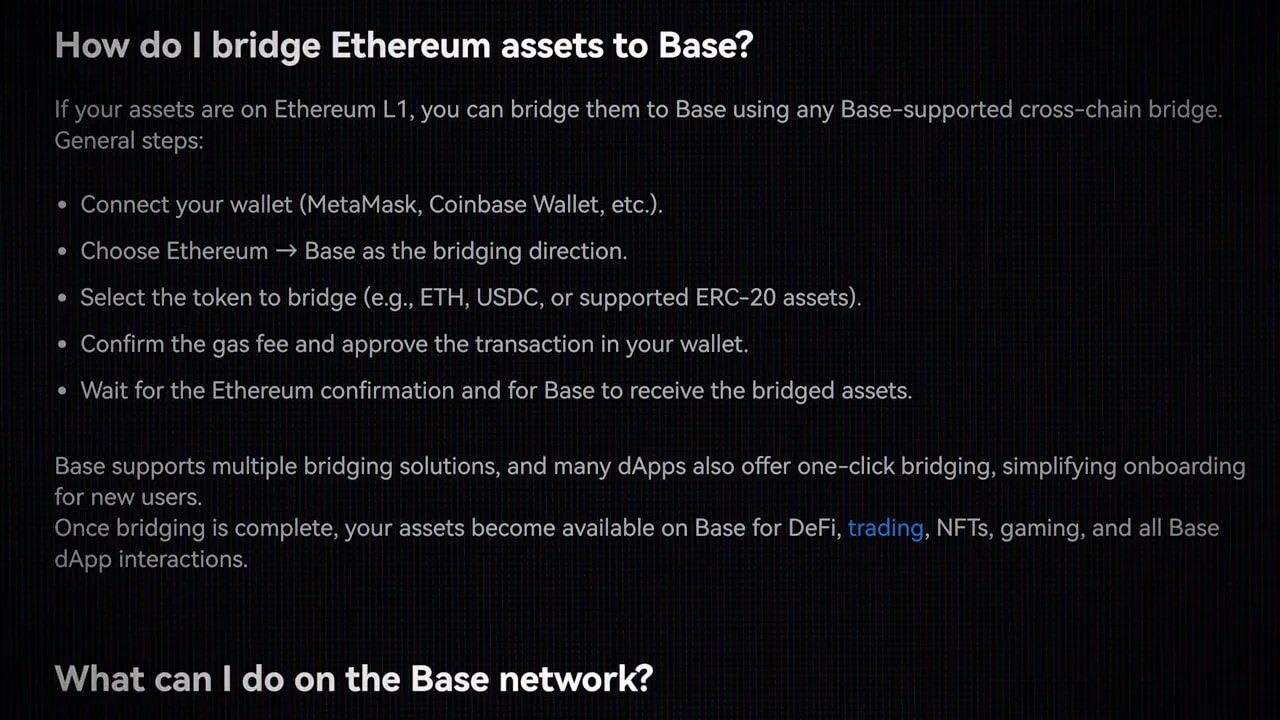
Getting onto an L2 is called bridging, but there are two very different ways to do it.
The easiest and safest route: withdraw directly from an exchange
This is the best option for most people.
- Buy ETH or another supported asset on a major exchange such as Coinbase, Binance, or Kraken.
- When withdrawing, choose the destination network carefully.
- Select Base, Arbitrum, or another supported L2 instead of Ethereum mainnet.
The exchange handles the routing for you. You skip the expensive mainnet step and land directly on the cheaper network.
For beginners, this is usually the cheapest, easiest, and safest method.
If you already have ETH on mainnet: use the official bridge
If your funds are already sitting on Ethereum mainnet, then you can use the official bridge for the network you want:
Type those addresses yourself, bookmark them, and use the bookmark later. Do not trust random links from ads, DMs, or social posts.
Why bridge safety matters so much
Bridges have been one of the weakest points in crypto security.
Across crypto history, more than $3 billion has been lost to bridge-related hacks. Some of the biggest examples include:
- Ronin Bridge: $625 million lost in March 2022
- Wormhole: $325 million lost in February 2022
- Nomad: $190 million lost in August 2022
- Multichain: roughly $210 million lost in July 2023
The important nuance is that these disasters were usually associated with third-party bridges, not the official bridges for the main L2s.
So the rule is simple:
- Use direct exchange withdrawal when possible
- Otherwise use the official bridge
- Avoid random third-party bridge links
That one habit alone can eliminate a huge amount of unnecessary risk.
The trade-offs of using Layer 2s
Layer 2s are brilliant, but they are not magic. There are still compromises, and understanding them matters.
1. Withdrawing back to Ethereum can take up to 7 days
Base, Arbitrum, and Optimism are all optimistic rollups. They assume transactions are valid by default, but they allow a challenge window of roughly seven days in case someone needs to dispute a fraudulent transaction.
That means:
- Depositing onto an L2 is fast
- Using the L2 is fast
- Withdrawing back to Ethereum through the official bridge can be slow
If you need funds out quickly, there are third-party fast exit services like Across Protocol and Hop Protocol that front the liquidity and charge a small fee, typically around 0.05% to 0.2%.
That is the speed-versus-cost trade-off.
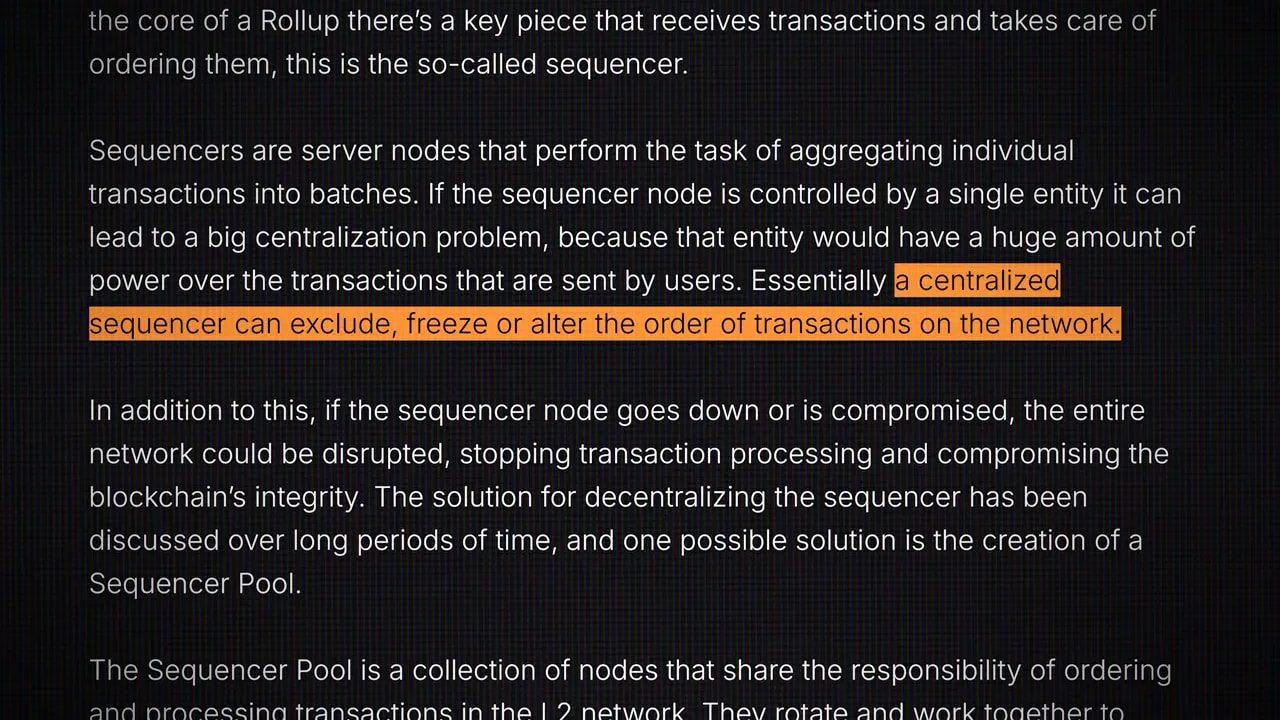
2. The sequencer is still a real trust point
Each major L2 currently relies on a sequencer, which is basically the system that orders transactions.
Today, that sequencer is usually controlled by the team behind the chain. If it goes offline, the network can freeze temporarily.
There have already been real examples:
- Base had a sequencer outage lasting 33 minutes in August 2025
- Arbitrum experienced a roughly 90-minute disruption in 2024
Funds were not lost, but they were inaccessible until the sequencer resumed normal operation.
This is a genuine centralization concern. The good news is that decentralization efforts are underway. Arbitrum, for example, launched BoLD in 2025 to improve fraud-proof participation. Still, for now, the sequencer remains a real dependency.
3. Not every app is on every Layer 2
The Ethereum ecosystem is still fragmented.
You might want to use a specific DeFi app, but discover it only exists on Arbitrum while your funds are on Base. That means moving assets again, paying another fee, and taking on another layer of complexity.
Always check whether the app you actually want to use supports your chosen network before moving funds.
This is also where disciplined traders can save both time and money. If you are rotating between sectors, chains, or emerging narratives, planning where your capital sits matters almost as much as identifying the trade itself. Pairing that with solid market research or crypto spot trading signals can help avoid unnecessary transfers and improve execution across chains.
What happens next: gas fees may disappear from the user experience entirely
The cheap fees on L2s are not the final destination. They are the middle chapter.
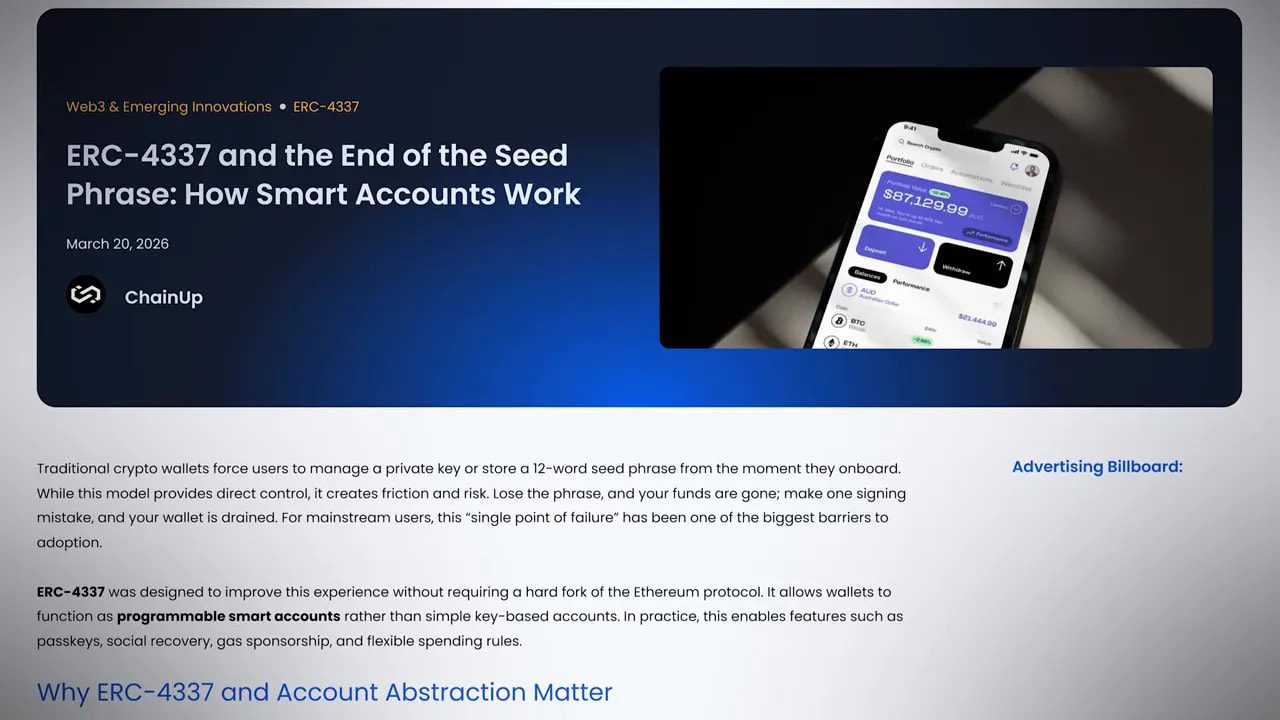
A big shift is now happening through account abstraction, built around standards like ERC-4337 and the later EIP-7702 upgrade that activated on May 7, 2025.
In plain English, this allows ordinary wallets to behave more like smart contracts. That unlocks some seriously useful features:
- Apps can pay gas fees on your behalf using a paymaster
- You can log in with Face ID or Touch ID rather than relying only on a seed phrase
- You may not need to hold ETH just to submit a transaction
- The complexity of gas management can be hidden in the background
And this is not theoretical. More than 26 million smart wallets have already been created, and over 170 million transactions have gone through this system.
Coinbase Smart Wallet already uses this approach, and some apps on Base are already letting users transact with zero visible fees because the app covers the cost.
That is the direction Ethereum is heading.
First, the $42 transaction becomes a 1 cent transaction on an L2. Then the 1 cent transaction becomes effectively invisible because the app pays the fee behind the scenes.
At that point, people may not even think in terms of “gas” anymore. They will press a button and the transaction will simply happen.
Why this matters for real-world crypto use
For Ethereum to work for normal people, sending money cannot feel like a luxury purchase.
That is exactly why Layer 2s matter. They make Ethereum usable for:
- Small transfers
- Stablecoin payments
- Frequent DeFi interactions
- Lower-cost trading and portfolio management
- Apps that want mainstream adoption
If you are using stablecoins on these networks, it is worth understanding exactly how they work and what risks come with each type. This guide on what stablecoins are and how they work is a useful companion if you plan to hold USDC or similar assets on Base or Arbitrum.
And if your interest in Layer 2s is not just about saving on transfer fees but also about finding opportunities in fast-moving crypto markets, it helps to combine low-cost infrastructure with a disciplined strategy. For anyone exploring active market setups, our coverage of the best crypto signals can help you compare options and avoid making decisions blindly.
The practical takeaway
You do not need to accept absurd Ethereum gas fees as normal.
If you are still using mainnet for basic transfers, you are often paying premium prices for something that can now be done much more cheaply on Base, Arbitrum, or Optimism.
A simple starting path looks like this:
- Choose a wallet that supports Layer 2s well.
- Add Base or Arbitrum if your wallet does not show them by default.
- Withdraw a small amount from a major exchange directly to that L2.
- Test with a tiny transfer first.
- Only use official bridges if you need to move funds from mainnet.
That one change can turn Ethereum from “ridiculously expensive” into something that feels fast, practical, and finally usable.
FAQ
Why are Ethereum mainnet fees sometimes so high?
Because Ethereum block space is limited and users bid against each other through gas fees. When demand spikes during busy periods, those bids rise sharply and transaction costs can jump from cents to tens of dollars.
What is the cheapest way to send ETH?
For most people, sending ETH on a Layer 2 like Base, Arbitrum, or Optimism is far cheaper than using Ethereum mainnet. Base can cost around one tenth of a cent for a simple transfer, while Arbitrum and Optimism are also very inexpensive.
Are Layer 2s as secure as Ethereum?
The major rollups discussed here settle to Ethereum, which is a big part of their security model. That said, they still have trade-offs such as sequencer centralization and bridge risks, so they are not identical to using mainnet directly.
Is Base better than Arbitrum or Optimism?
Not universally. Base is often easiest for beginners, Arbitrum is stronger for deeper DeFi usage, and Optimism is important because its OP Stack powers multiple chains. The best option depends on what apps and services you want to use.
Do I need a different wallet address for each Layer 2?
No. In most cases, the same 0x wallet address works across Ethereum mainnet and major Layer 2s. What changes is the network you are using and the separate balances held on each chain.
What is the safest way to move crypto to Base or Arbitrum?
The safest beginner-friendly method is usually withdrawing directly from a major exchange to the target Layer 2. If your funds are already on Ethereum mainnet, use the official bridge for that network and avoid random third-party bridge links.
Why does withdrawing from a Layer 2 back to Ethereum take so long?
Because optimistic rollups use a challenge window, typically around seven days, during which transactions can be disputed. That delay is part of their security model when using the official bridge.
Will gas fees eventually disappear?
Users may still indirectly pay for network activity, but account abstraction makes it possible for apps to cover gas in the background. In practice, that could make gas fees nearly invisible for many common actions.